




Clinical audiometry
Diagnostics you can rely on.
Precise measurement systems for everyday clinical practice.
High-precision audiometers and innovative solutions for clinical practice, research and hearing diagnostics.
 Made in Germany
 40 years of experience
 Individual support
Accurate diagnosis. Better treatment.
Rethinking audiometry. Changing perspectives.
Open the platform. Start exploring.
Changing lives. Measuring it directly.
Early detection. Close support.
Measure accurately. Customise to suit your needs.
Precise systems and customized concepts for clinical practice, research and hearing care.
Clinical audiometry
Precise measurement systems for everyday clinical practice.

Paediatric audiometry
Child-friendly hearing tests with reliable results.
Audiometry for cochlear implants
Specialised solutions

Research
Open and customisable solutions for individual set-ups.

Audiometry equipment
Well-thought-out, comprehensive concepts for optimum measurement conditions.
WHY AURITEC?
For over 40 years, we have been synonymous with the highest quality, precision engineering and personalised advice – worldwide.




Sophisticated audiometry systems for clinical practice, research, cochlear implants and paediatric audiology – designed to meet the highest standards.
Clinical audiometry
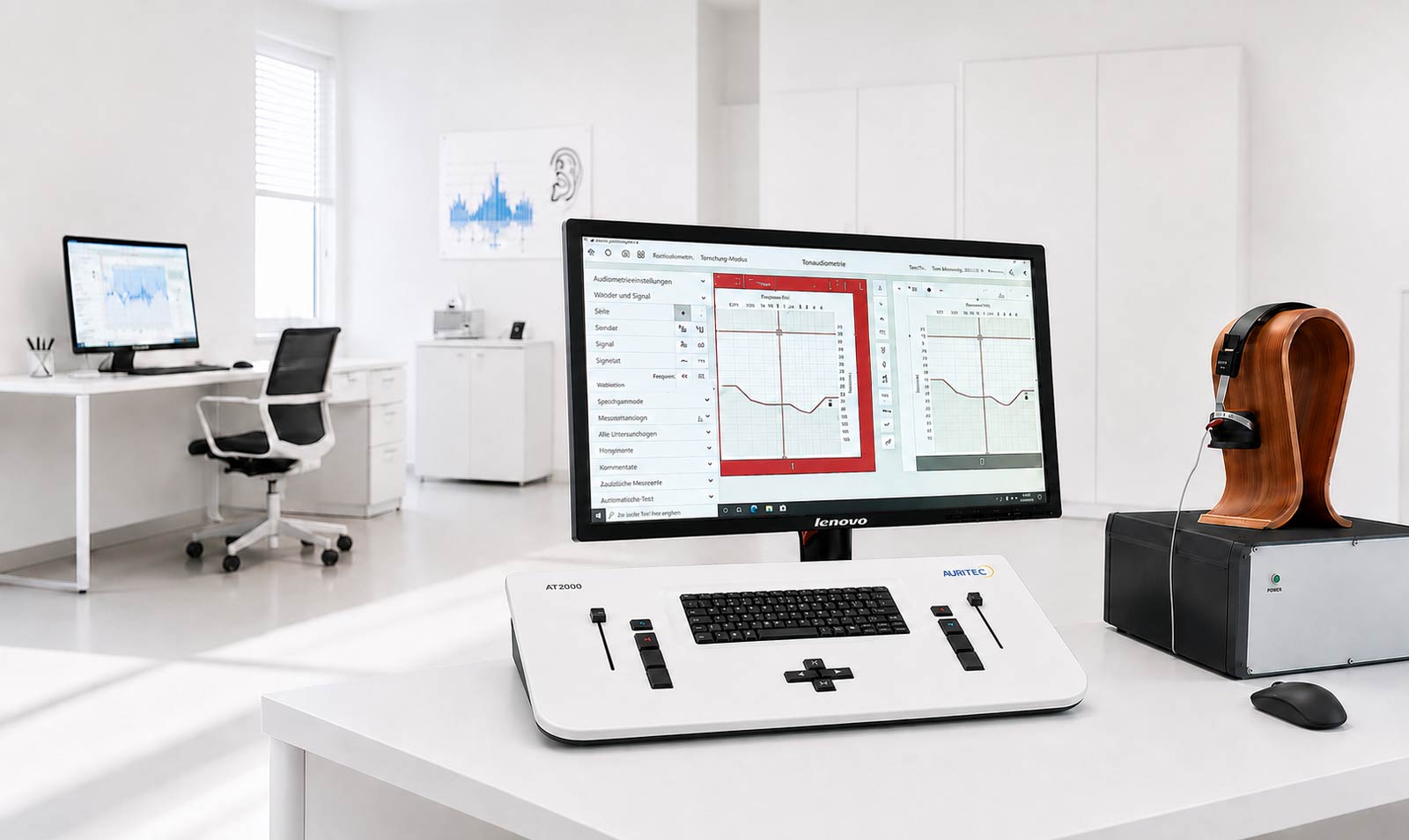
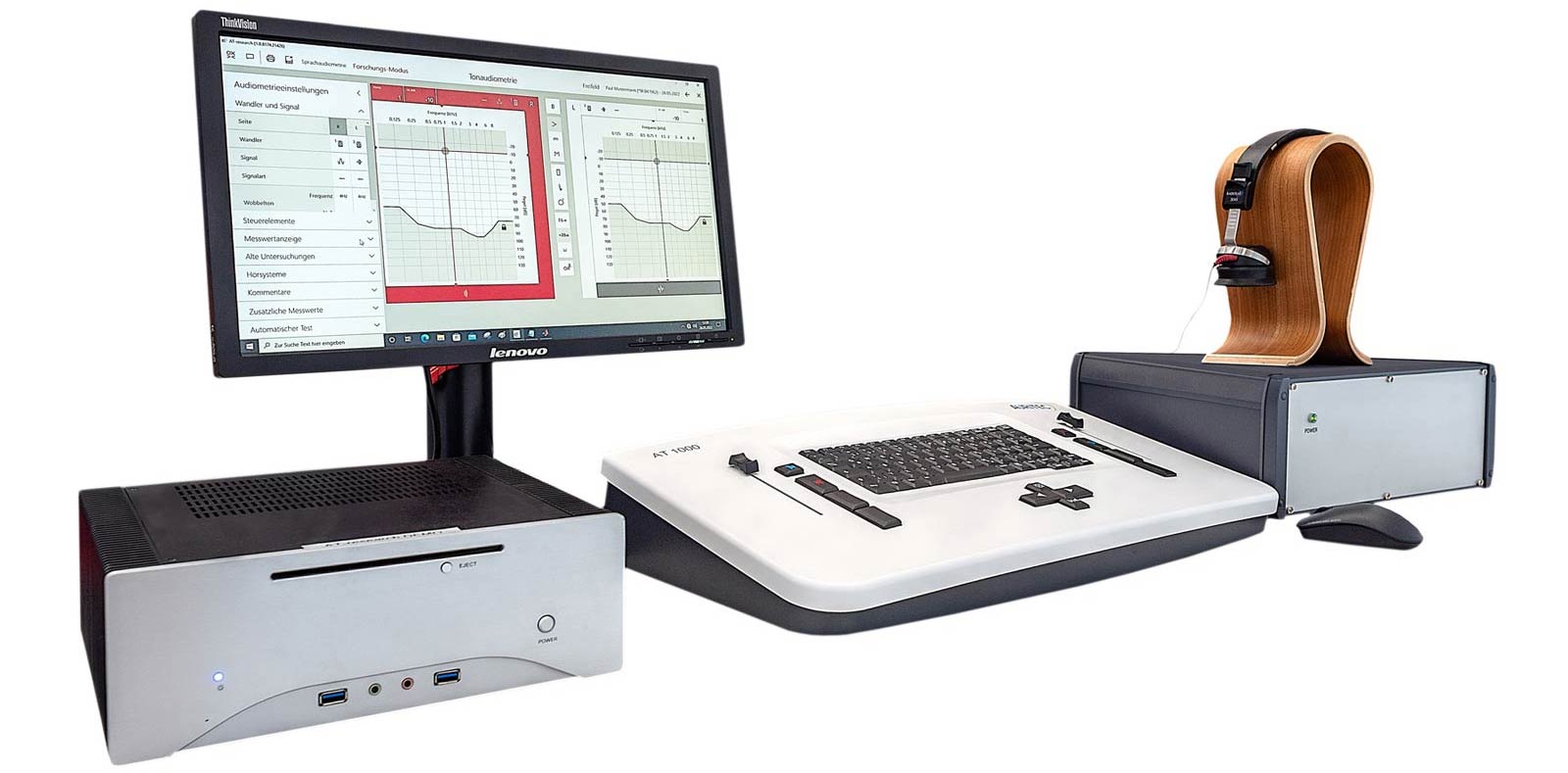
AT2000
High-performance diagnostics of the very highest standard.
Clinical audiometry
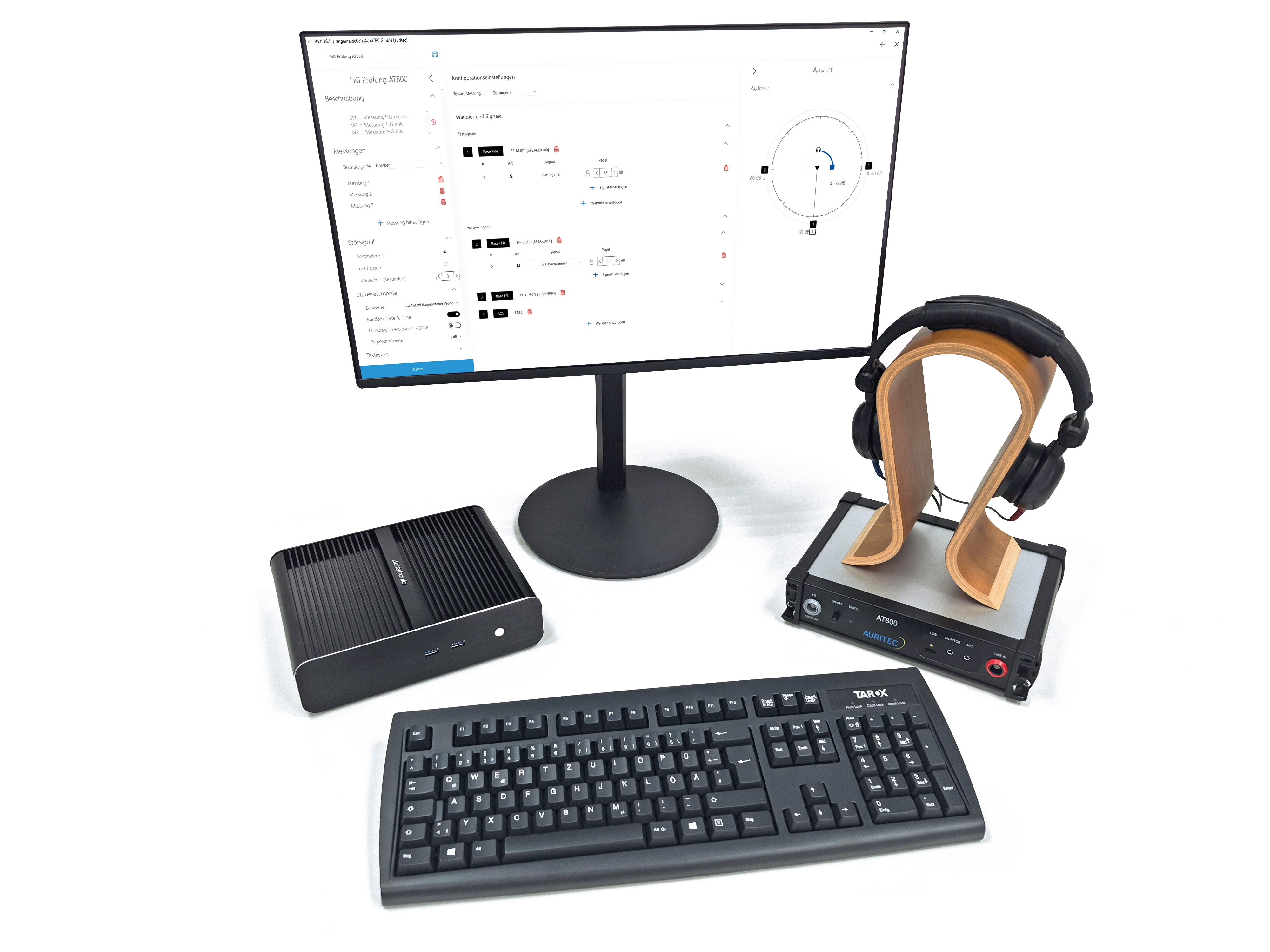
Compact. Flexible. Precise.
Research
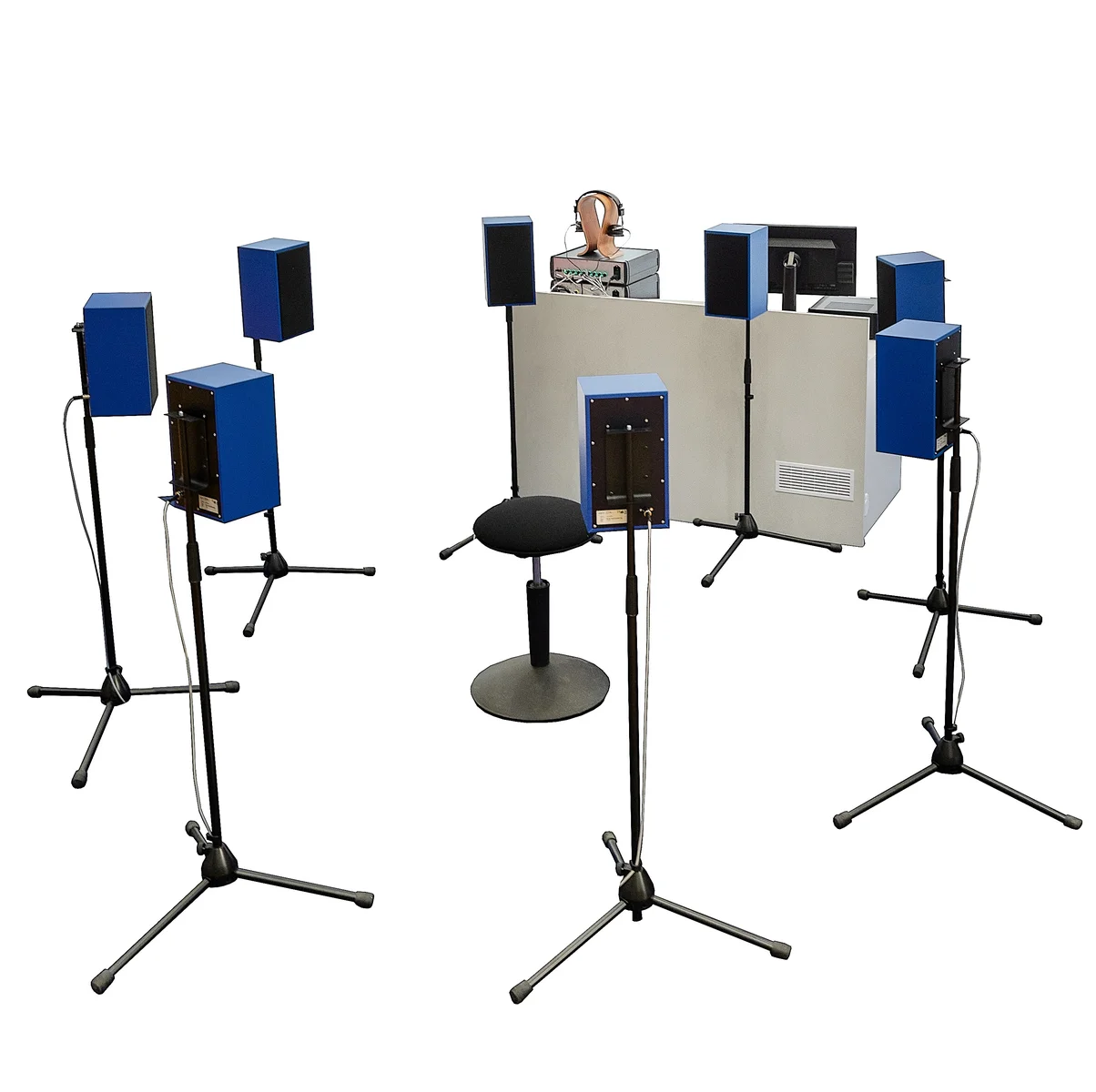
Gaining new insights
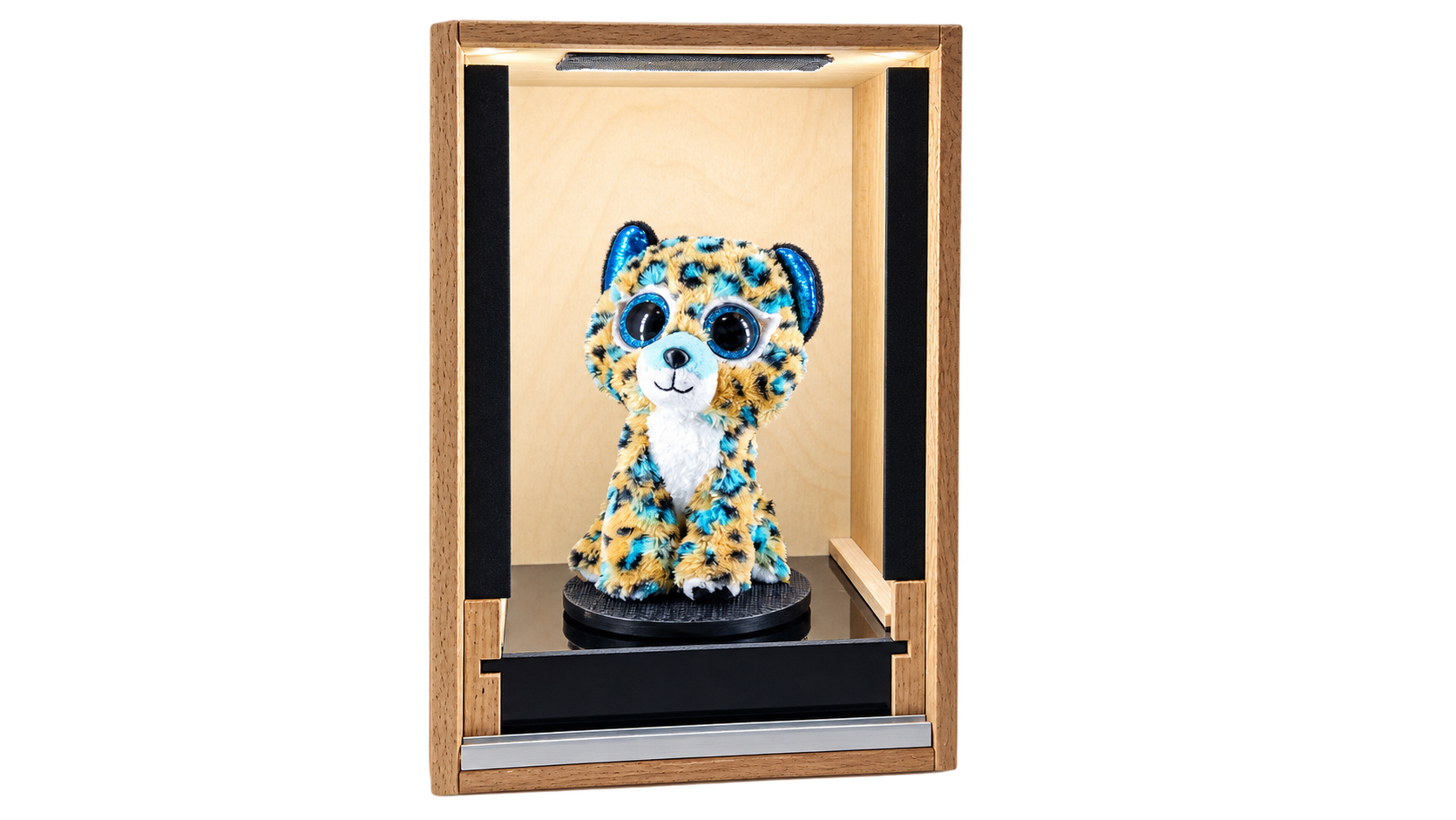
Paediatric audiometry
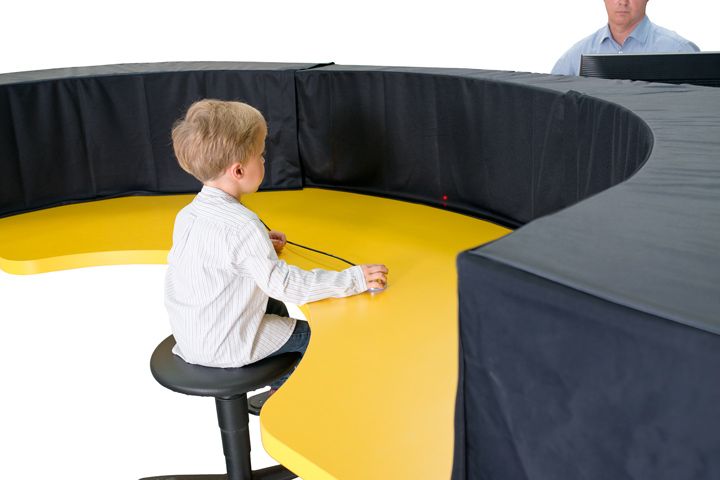
Paediatric audiometry. Playful and age-appropriate.
Cochlear implants
Audiometry for CI patients. Immediate. Accurate.
Implant connection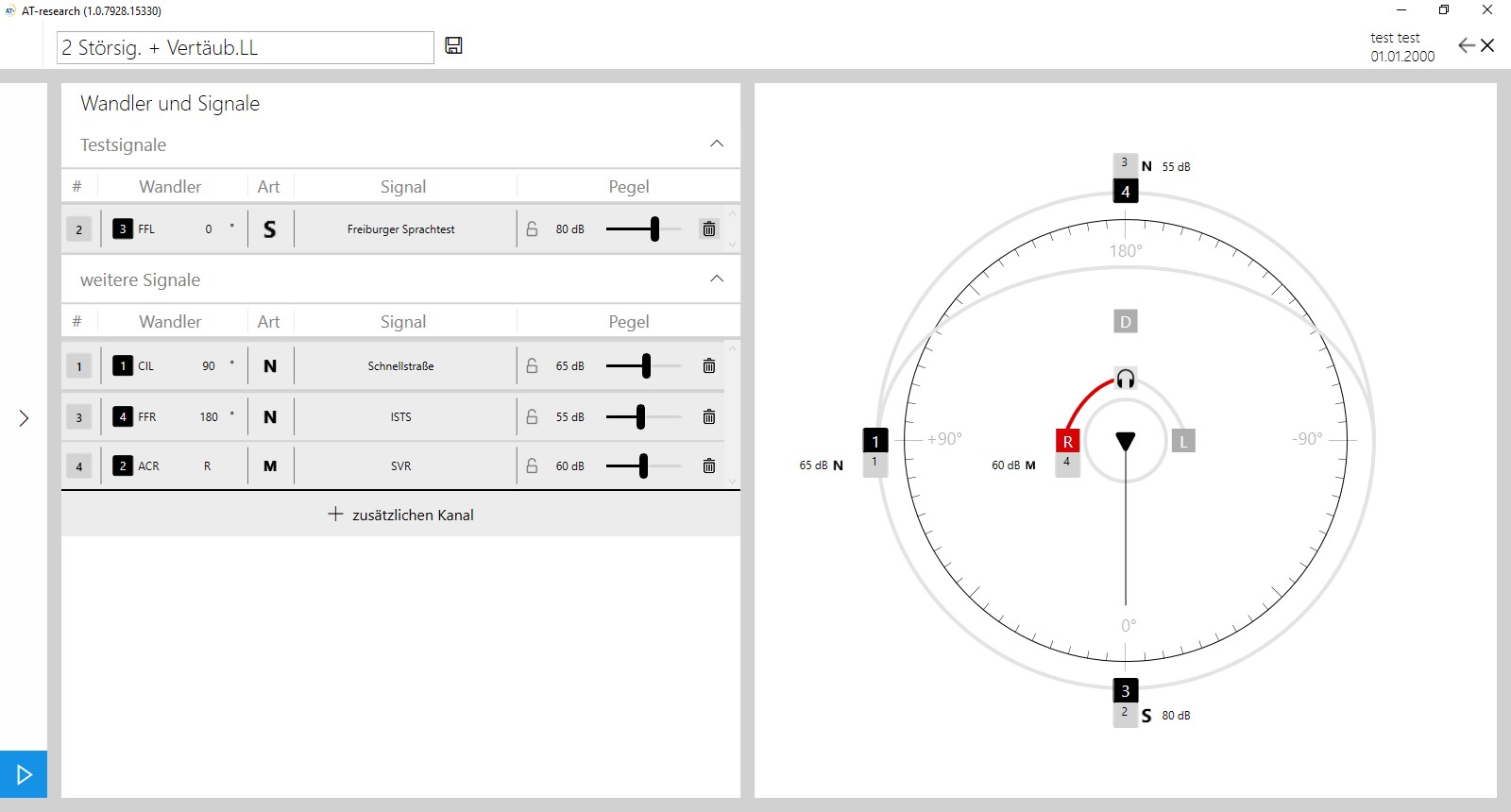
Audiometry reimagined
A practical, real-world measurement setup with three channels
Multichannel audiometryImplant connection
Audiometry and fitting in a single room. PTA and speech audiometry via the processor. No need to mask the contralateral ear. Increased comfort for patients. Frees up capacity in day-to-day audiometry practice.
THE RIGHT SYSTEMS
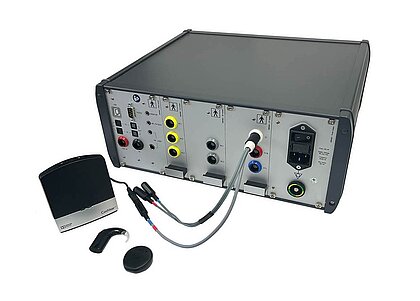 01Implant connection
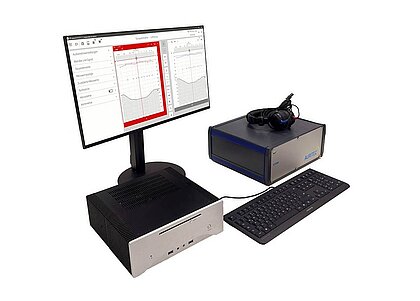 02Complete system
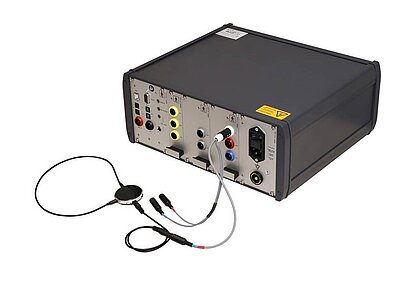 03Flexible diagnostics
SPACE SOLUTIONS
Five examples illustrate what is possible.
An audiometer is a medical device used to assess hearing ability. It produces precisely defined tones or speech signals at different frequencies and volumes. This enables, amongst other things, hearing thresholds to be determined and various forms of hearing loss to be diagnosed. Audiometers are used, for example, in ENT practices, hospitals, cochlear implant centres, paediatric audiology centres and in audiological research.
Depending on the area of application, a distinction is made primarily between screening, diagnostic, clinical and research audiometers. Screening audiometers are used for preliminary hearing tests. Diagnostic audiometers enable more in-depth tone and speech tests. Clinical audiometers offer a wider range of functions for complex examinations, whilst research audiometers support particularly flexible measurement set-ups and multiple freely configurable channels.
A diagnostic audiometer is suitable for standard tests such as pure-tone and speech audiometry. A clinical audiometer, on the other hand, offers additional measurement methods, multiple channels and extended connection and configuration options. This means it can be used, for example, for free-field measurements, paediatric audiometry, directional hearing tests or audiometry with cochlear implants. The class of device required depends on the intended examinations and the area of application.
The choice depends on which patients are to be examined and which measurement procedures are to be carried out. For standard tone and speech audiometry, a diagnostic audiometer may be sufficient. Clinics, cochlear implant centres and paediatric audiology facilities often require an expandable clinical system with multiple signal paths, free-field loudspeakers and specialised test procedures. AURITEC designs audiometry solutions tailored to the scope of the examination, the room layout and the existing IT infrastructure.
Depending on their specifications and software, audiometers can be used for, amongst other things, air-conduction and bone-conduction measurements, pure-tone and speech audiometry, and free-field measurements. Clinical systems also support, for example, speech tests in the presence of background noise, multilingual speech procedures, paediatric audiometry, directional hearing and specialised applications for patients with cochlear implants.
With a computer-based audiometer, measurement, operation and documentation are integrated via software. This facilitates the clear presentation of measurement results and can streamline workflows in private practices and clinics. Depending on the system, additional measurement methods, signal sources, loudspeakers or other components can be integrated into the audiometry system.
Yes. For testing children, audiometers are combined with age-appropriate procedures and a suitable free-field setup. These include, for example, visual reward audiometry (VRA), play audiometry and special speech tests for children. It is also important to have a child-friendly setting, good eye contact and to position the speakers in a way that is suited to the testing situation.
For patients with cochlear implants, hearing and speech tests can be carried out via loudspeakers or directly via the speech processor, depending on the system. The AT2000 clinical audiometer has a separate implant output for this purpose. Direct signal transmission can minimise the effects of room acoustics and make it easier to carry out certain measurements in day-to-day clinical practice.