
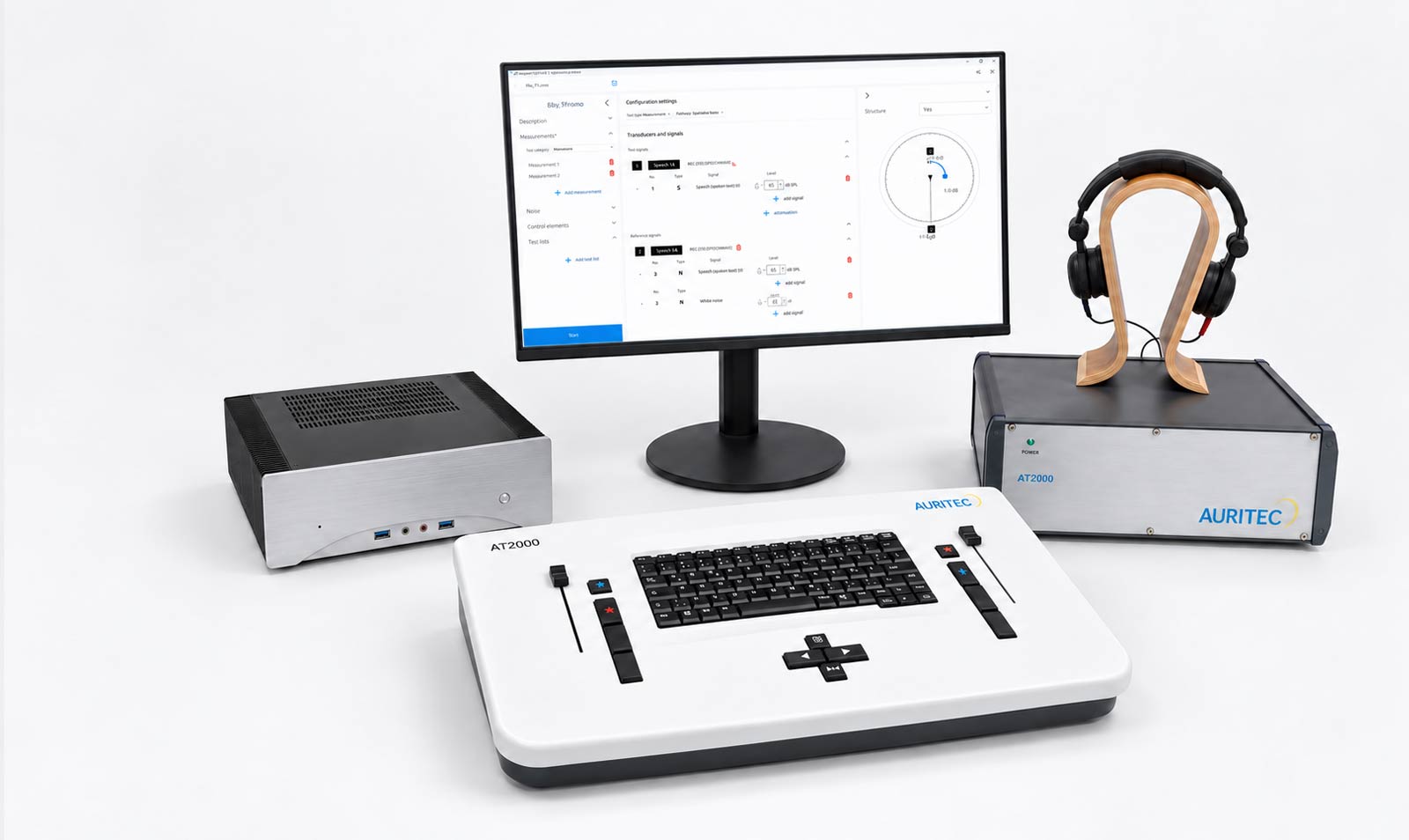
AT2000
Precision for everyday clinical practice.
High-performance diagnostics of the very highest standard.
Applications
A comprehensive assessment of hearing with cochlear implants: AURITEC offers audiometry systems and testing procedures for speech understanding, follow-up assessments and specialised measurements in adults and children.
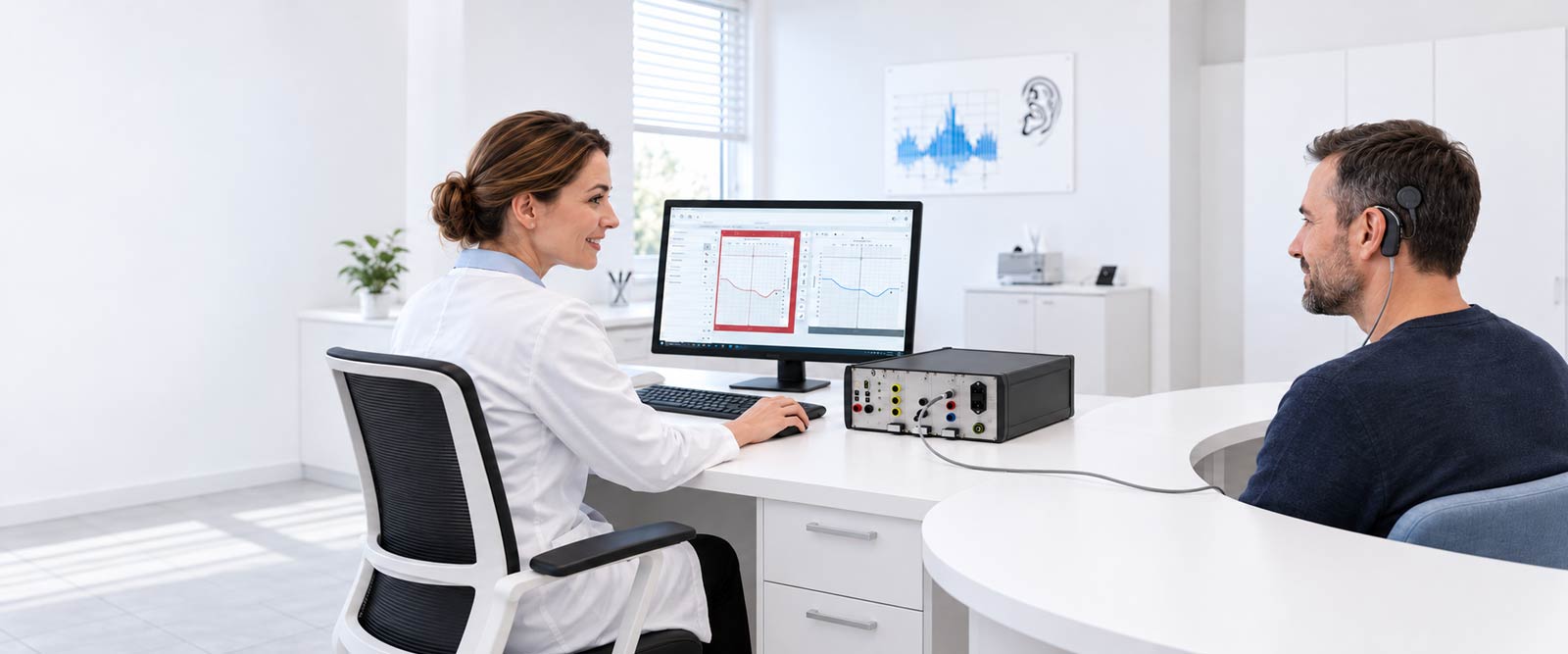
How well is speech understood in quiet and in the presence of background noise? How do the results develop over the course of treatment? And what tests are required in cases of unilateral deafness or bilateral treatment? In CI centres, measurement procedures and equipment must be tailored to different listening situations.
AURITEC combines clinical audiometry with appropriate speech tests and advanced measurement capabilities. Direct signal output to compatible CI processors, multi-channel audiometry and the assessment of directional hearing round off the range of tests. AT-research is available for scientific research purposes.
Precision for everyday clinical practice.
High-performance diagnostics of the very highest standard.
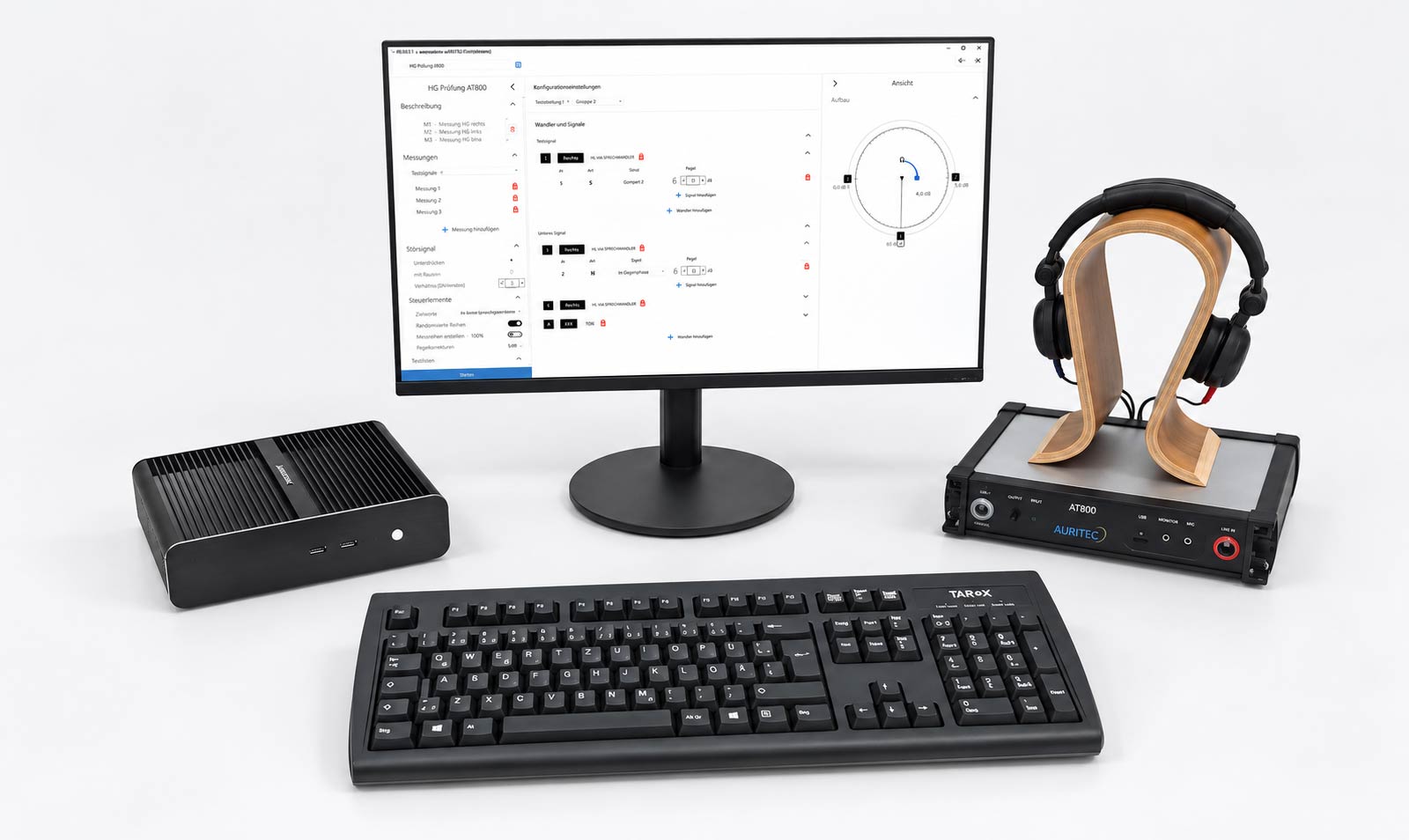
Compact audiometer
A modular system for everyday clinical practice
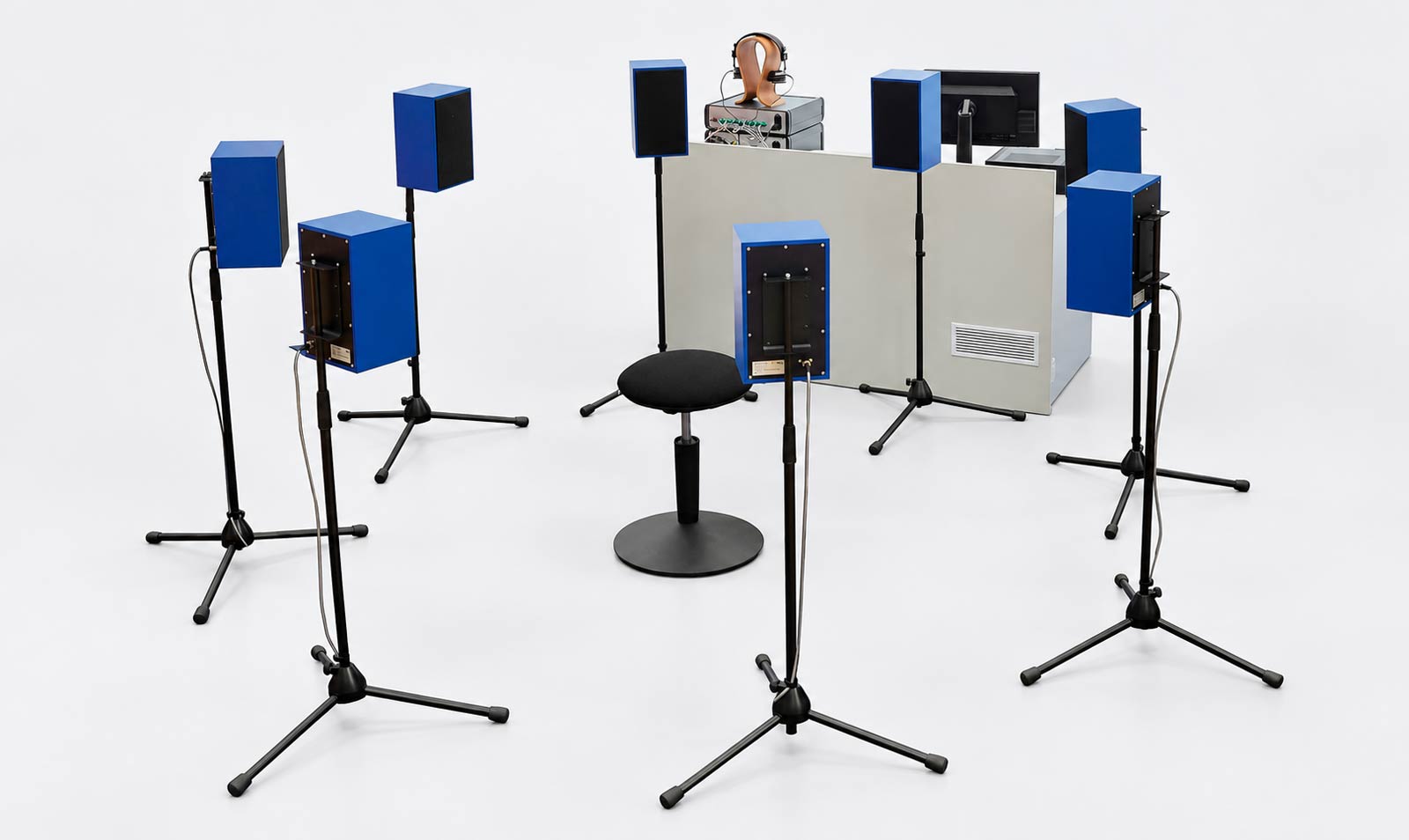
Research audiometer
Audiometry for research and development
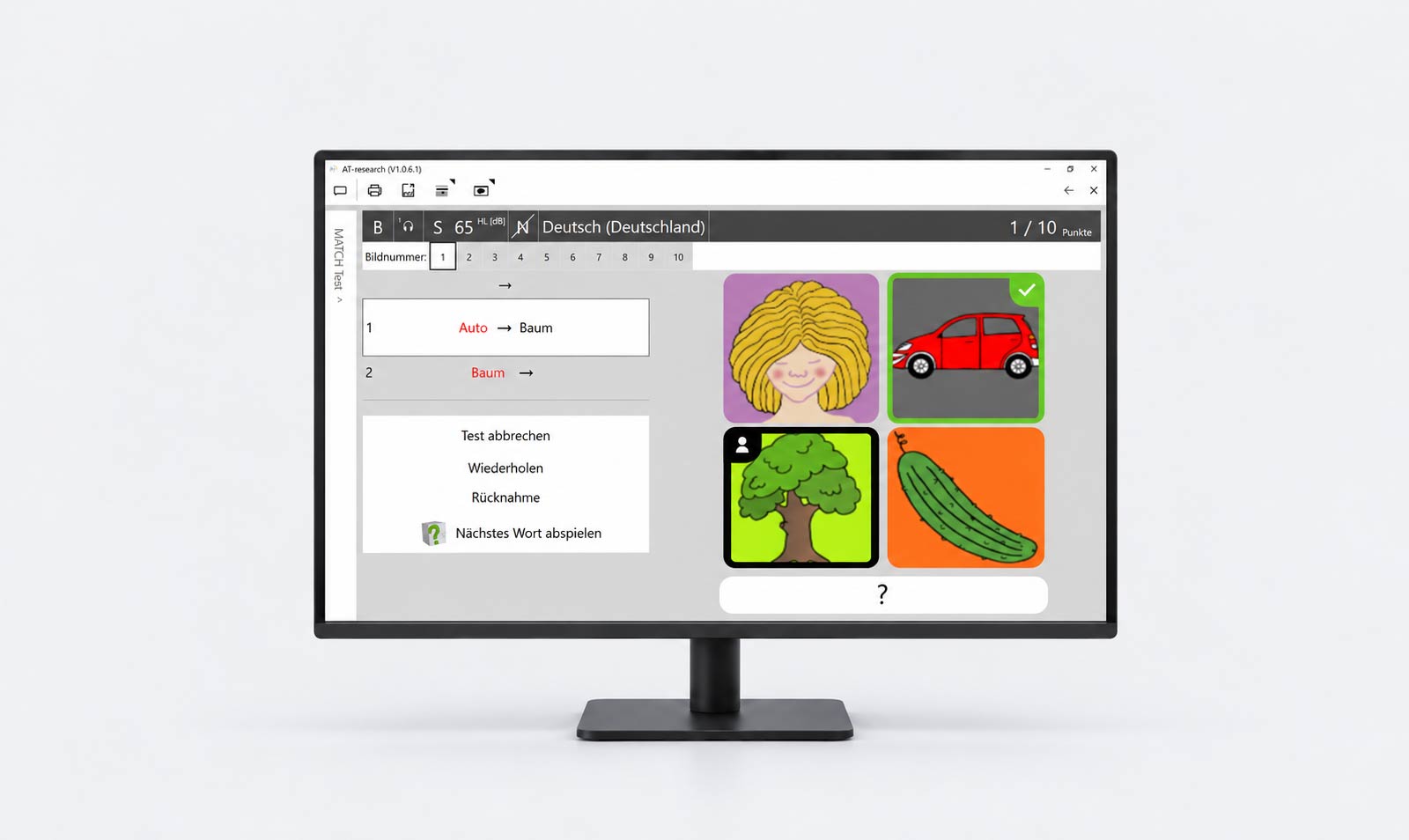
New Mainz Children’s Test
Automatic language test for children

The Oldenburg language method
Speech audiometry in the presence of background noise

Speech audiometry for children
Oldenburg Children’s Sentence Test
Simplified Matrix Test
International Matrix Test for Children
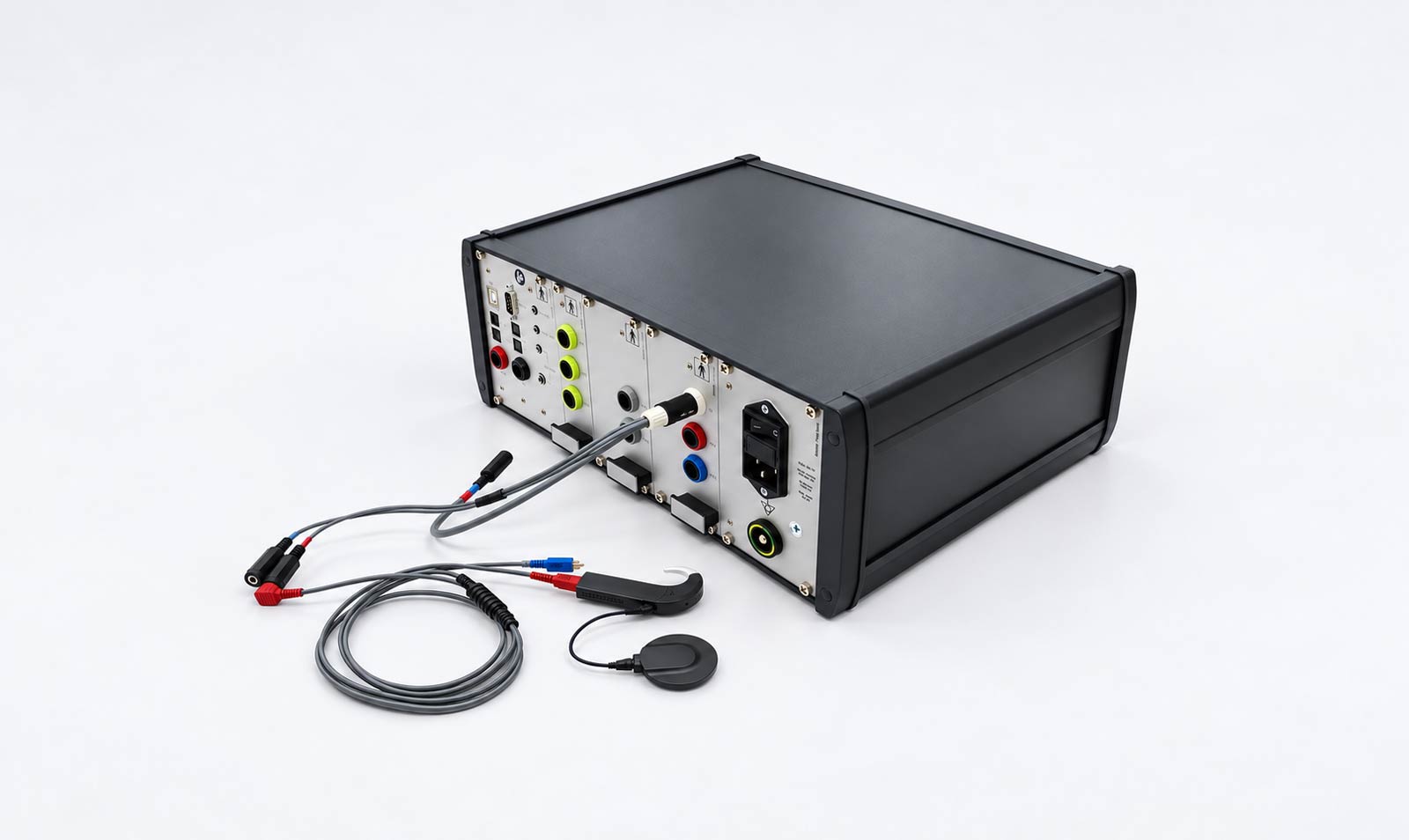
Direct connection to processors
Non-invasive testing of cochlear implant patients
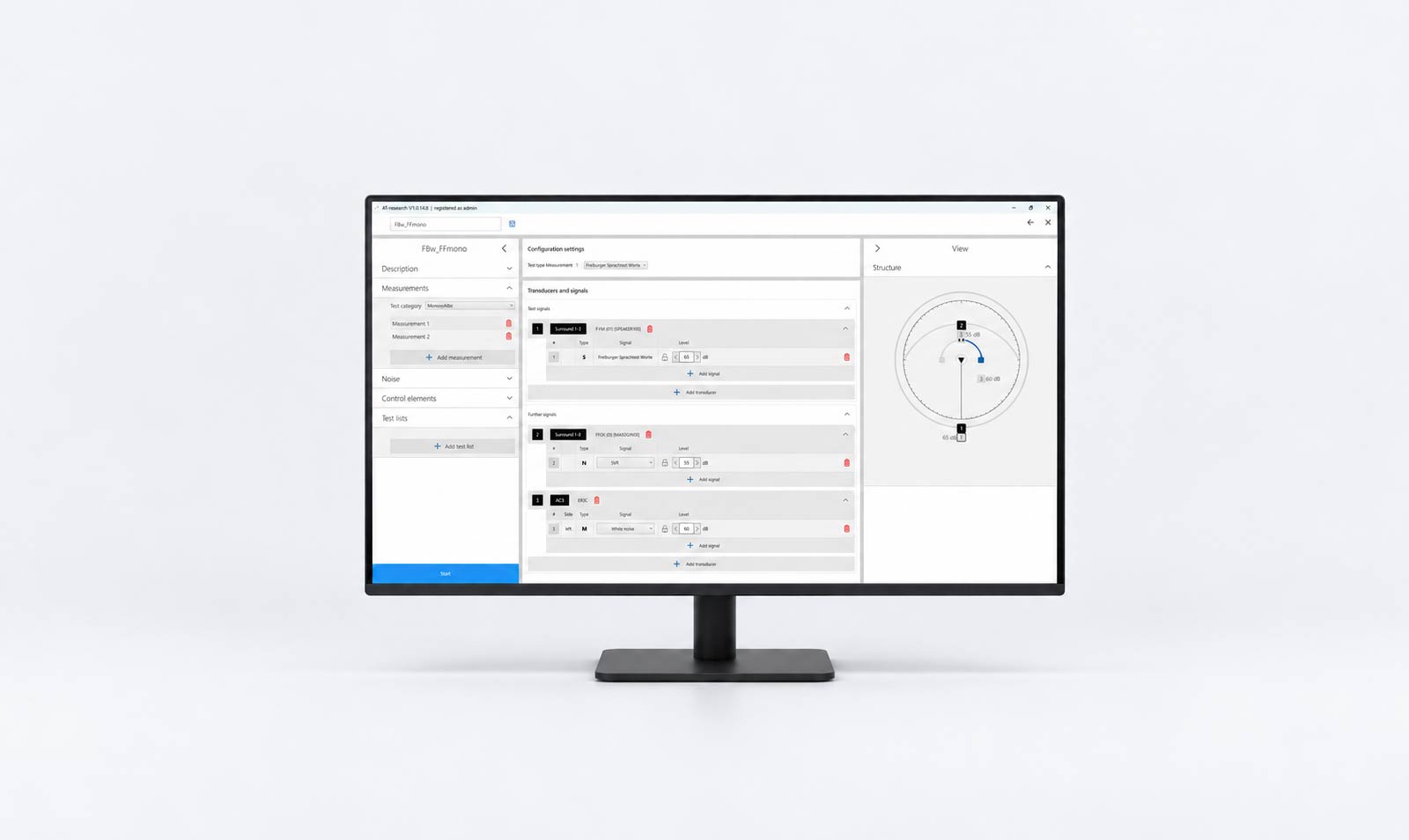
Everyday audiometry
More than two channels
Directional listening system
Automatically. For all patients
Speech tests carried out in quiet conditions and in the presence of background noise help to assess speech comprehension and its development. Depending on the specific issue, free-field measurements and tests of directional hearing may also be carried out. For the purposes of monitoring progress, the test setup, test procedures and processor settings should be documented in a clear and comprehensible manner.
Audiometric signals are transmitted to a compatible CI processor via a cable or a suitable streamer. This helps to minimise the effects of room acoustics. Compatibility, connection and calibration must be tailored to the specific processor. Direct measurement complements free-field tests, which also incorporate the processor’s microphones.
Several signals can be output simultaneously via different transducers. For example, speech and background noise can be presented from different directions, and a separate masking signal can be used where required. This enables sophisticated measurement set-ups, such as in cases of unilateral hearing loss or complex clinical scenarios.
SIMAT and AAST offer language-based assessments for children aged four and over, provided they have sufficient task comprehension and language skills. mFAST uses animal sounds and can be used for hearing screening in cases where language skills are limited. However, it does not assess language comprehension. The key factors are the child’s stage of development, their cooperation and the aim of the assessment.