
AT-research
Research audiometer
Audiometry for research and development
Solutions
Scientific research requires appropriate measurement conditions: AURITEC offers software modules and an open platform for specialised measurement set-ups and the simulation of complex listening situations. With AT-research, you can conduct research whilst enjoying all the benefits of a medical device.
SOLUTIONS · CLINICAL AUDIOMETRY
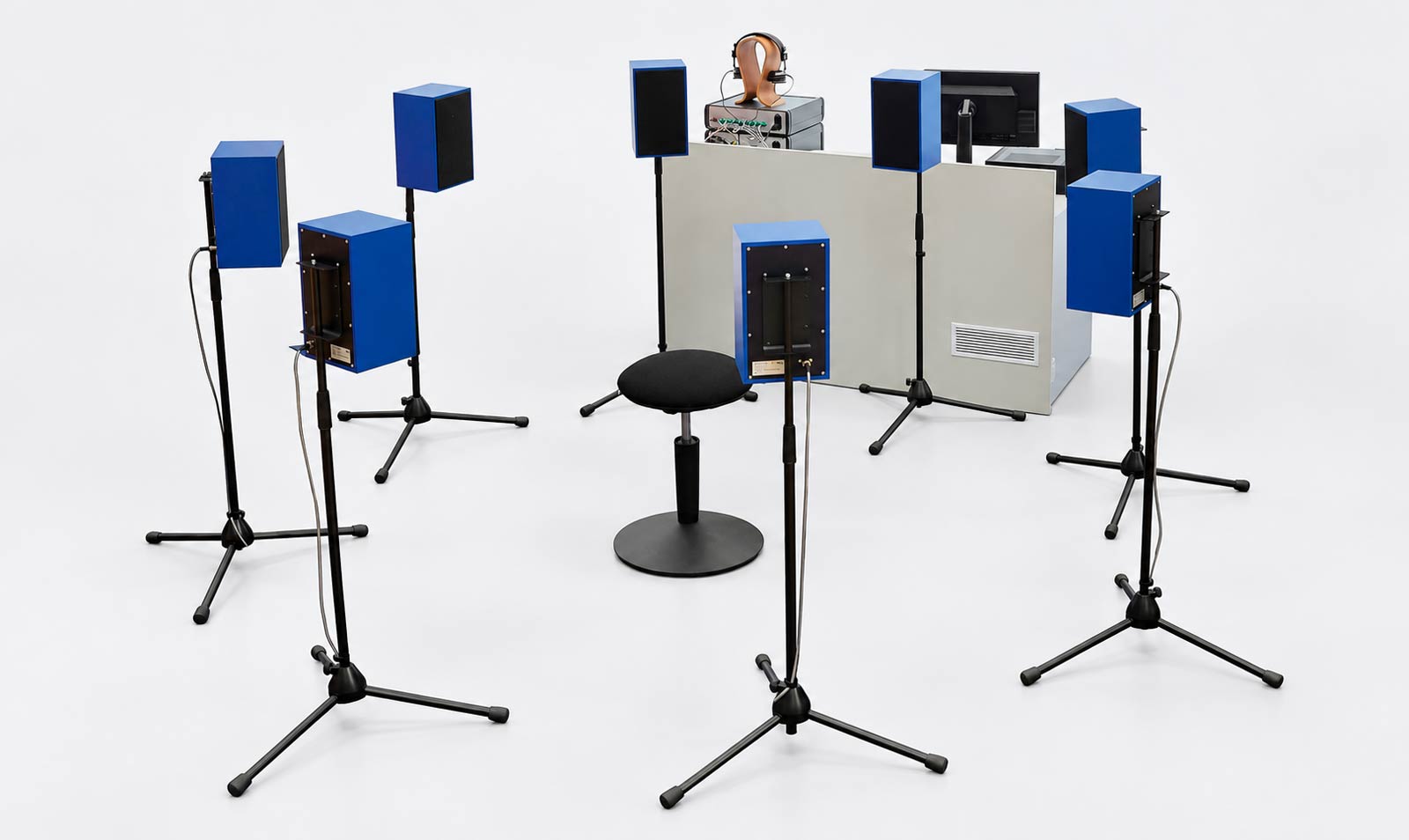
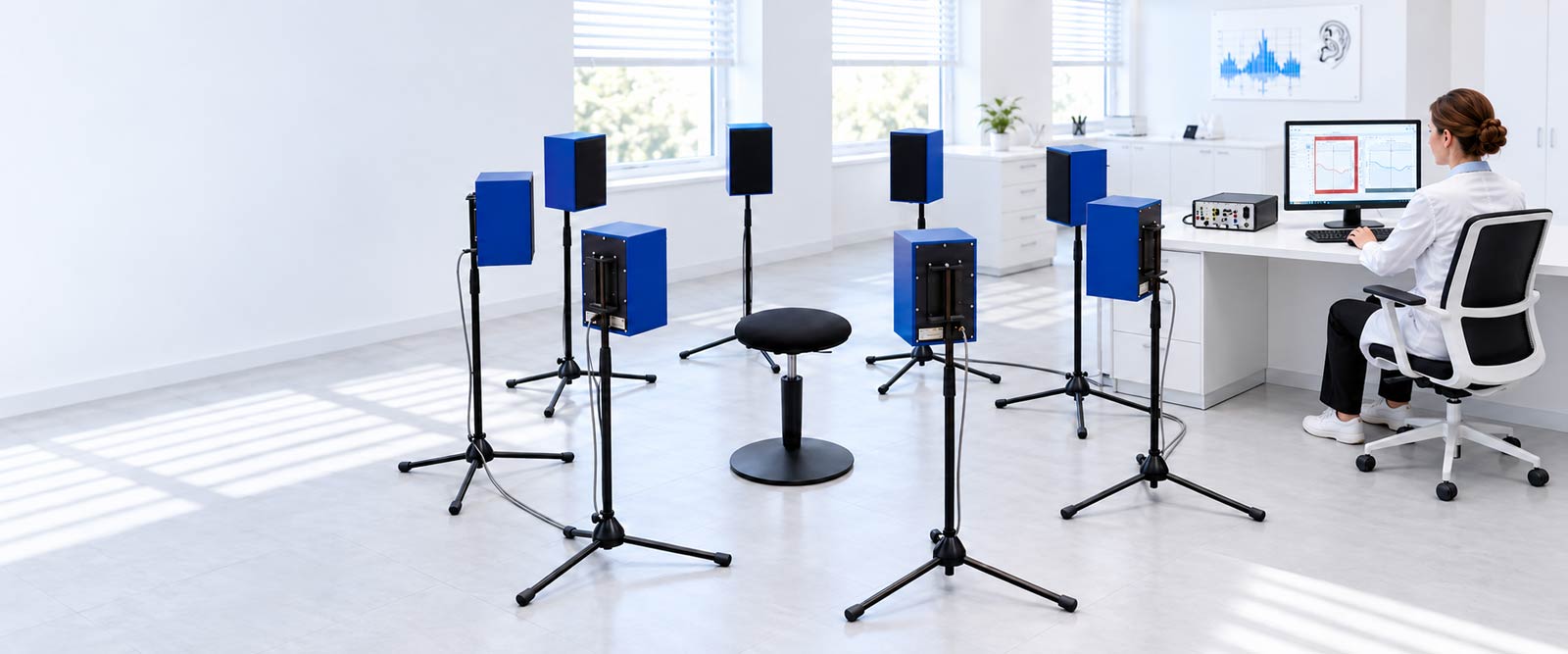
Which signals should be output simultaneously? From which directions are speech and background noise presented? And which transducers do you need? In audiological research, the study protocol and the aim of the investigation determine the technical equipment required. The AT-research helps you to define these and achieve your objectives.
AT-research enables customised configurations with flexible transducer selection and innovations such as multichannel audiometry. Customised test procedures and your own programmes – written, for example, in MatLab or Python – can be used.
Research audiometer
Audiometry for research and development
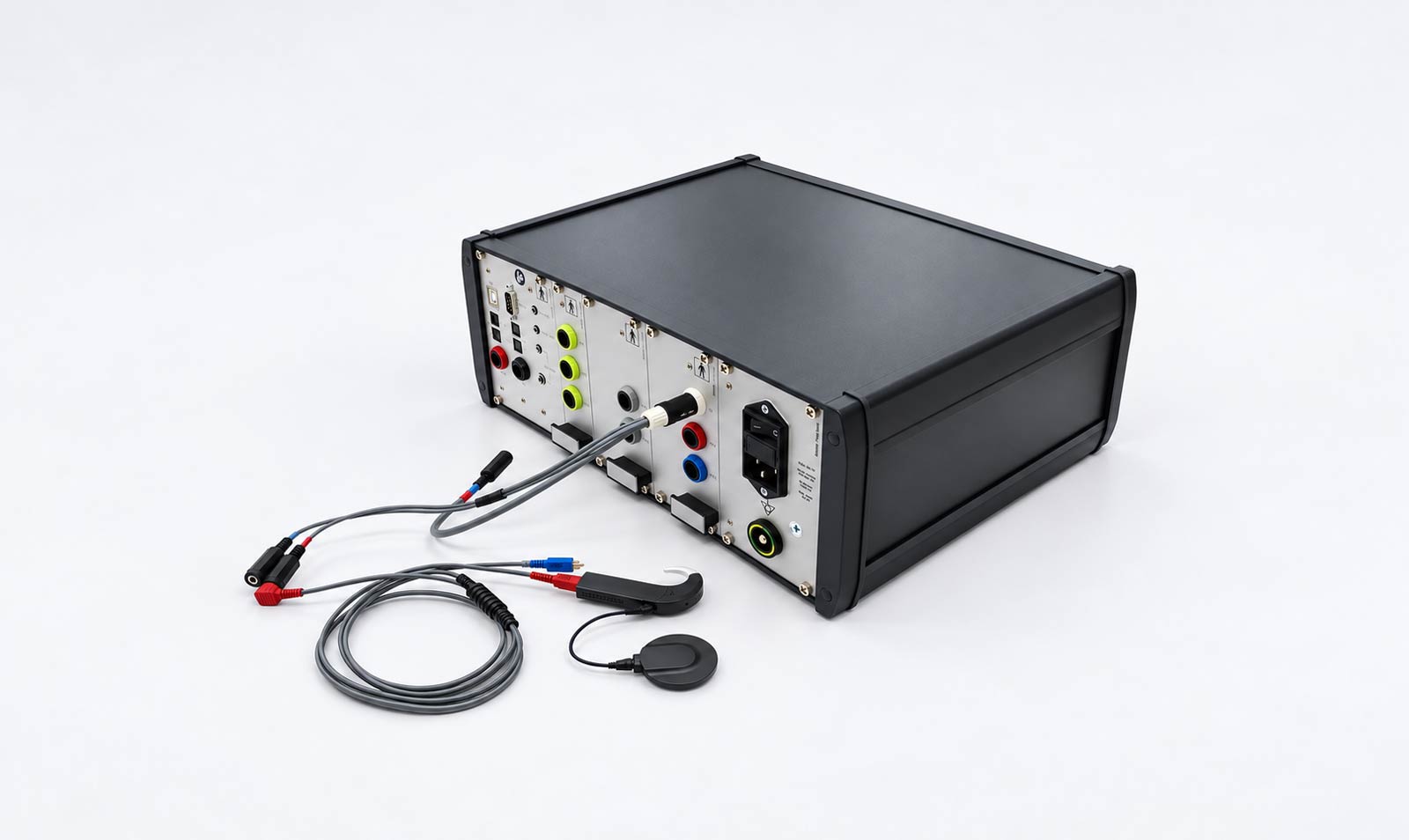
Direct connection to processors
Non-invasive testing of cochlear implant patients
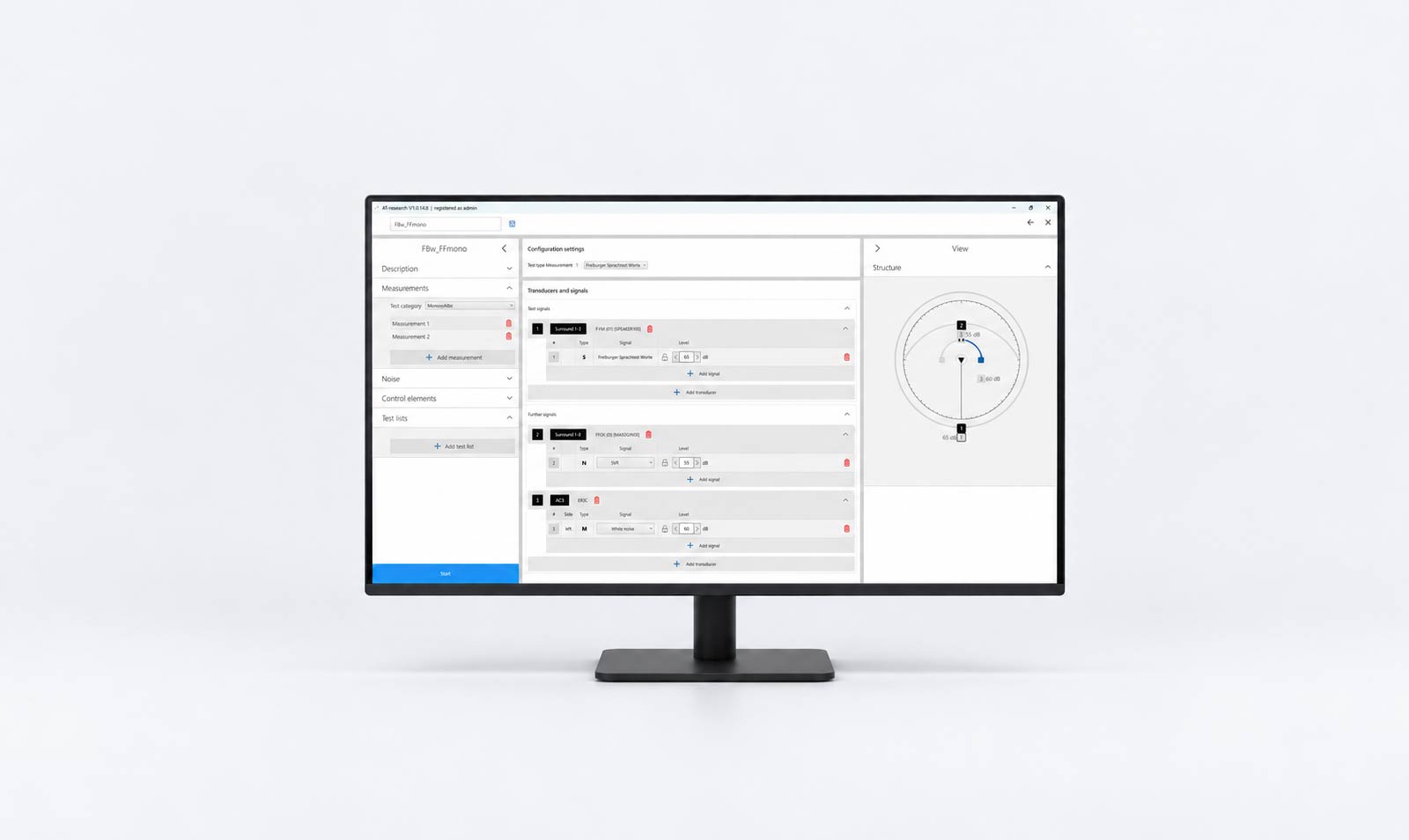
Everyday audiometry
More than two channels

The Oldenburg language method
Speech audiometry in the presence of background noise

Speech audiometry for children
Oldenburg Children’s Sentence Test
Simplified Matrix Test
International Matrix Test for Children
Automatic and adaptive
Screening for children in several languages

Animal Sound Test
Automatic and adaptive
The starting point is the test protocol and the required signal paths. These determine the specifications for transducers, simultaneously usable channels, signal levels and loudspeaker arrangement. Room acoustics, calibration and the documentation of the measurement conditions must also be taken into account.
Several signals can be output simultaneously via different transducers. In a free-field environment, for example, speech and background noise can be reproduced from different directions. The available channels and their configuration depend on the selected equipment.
If you wish to use your own signals or test materials, we will discuss the technical feasibility with you. Among other things, we will need to clarify file formats, signal levels, playback paths and calibration. The integration must be compatible with the planned study protocol and the system configuration.
It is helpful to include the study protocol, the intended test subjects and an overview of the required signals, test procedures and transducers. In addition, the spatial conditions, existing equipment and requirements for control and data analysis should be described.