
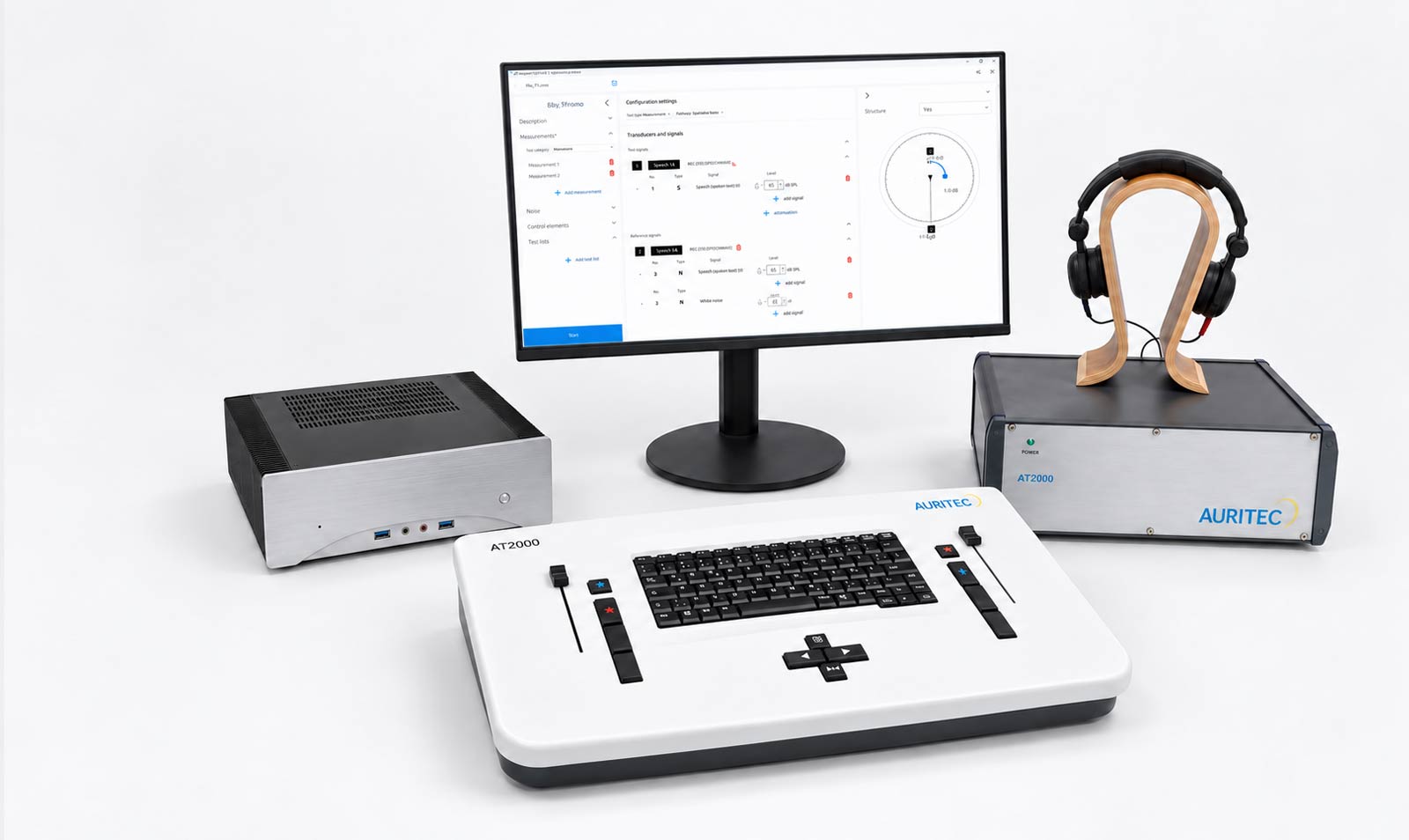
AT2000
Precision for everyday clinical practice.
High-performance diagnostics of the very highest standard.
Applications
Hearing assessments tailored to the child’s stage of development: AURITEC offers audiometry systems, child-friendly testing procedures and solutions for visual conditioning for paediatric audiological examinations.
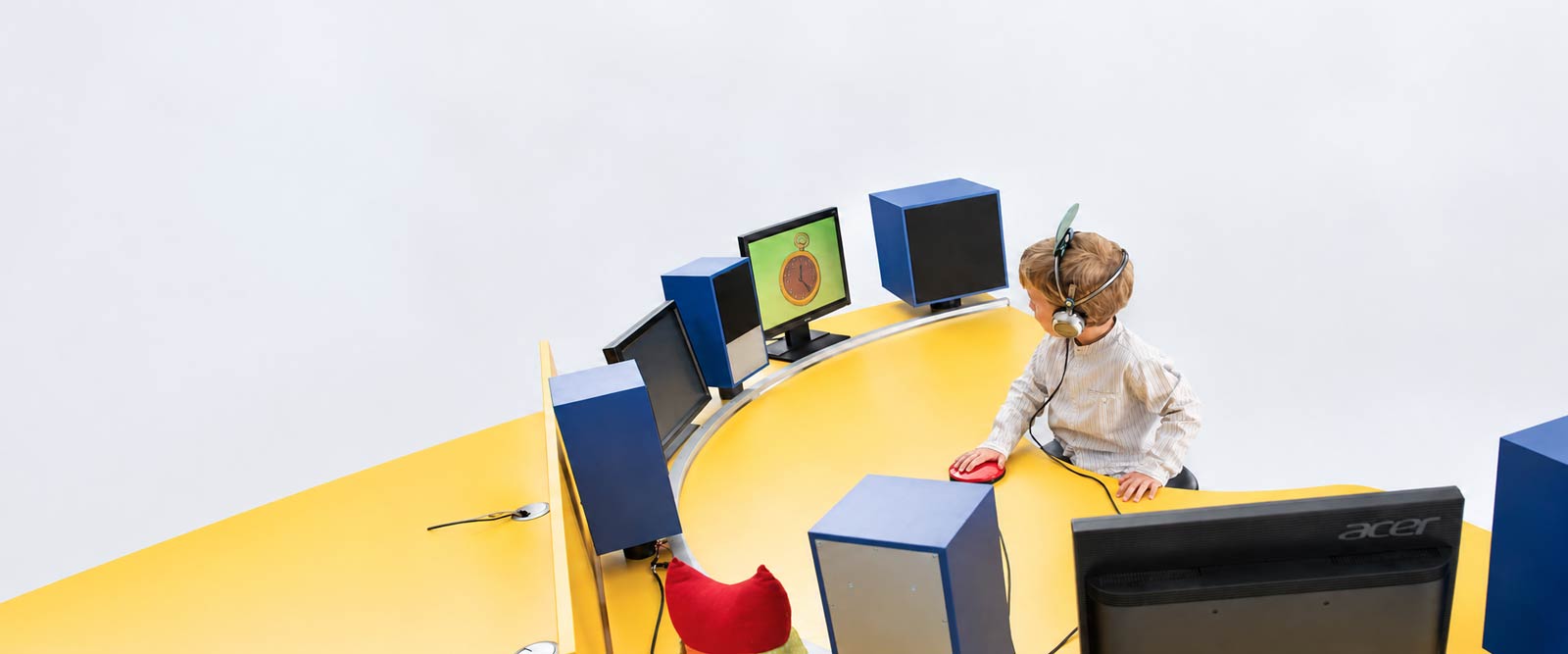
From toddlers to adolescents, the methods available for assessing hearing and speech comprehension change. In addition to age, the child’s stage of development, language skills and level of cooperation are also crucial. The equipment must therefore support a variety of assessment procedures.
The AT2000 and AT800 form the basis for clinical audiometry. Image-based speech tests, hearing screening using animal sounds and visual conditioning complement the child-friendly assessment. ERKI and the implant interface expand the possibilities for addressing specific clinical questions. The AT-research is available for scientific studies.
Precision for everyday clinical practice.
High-performance diagnostics of the very highest standard.
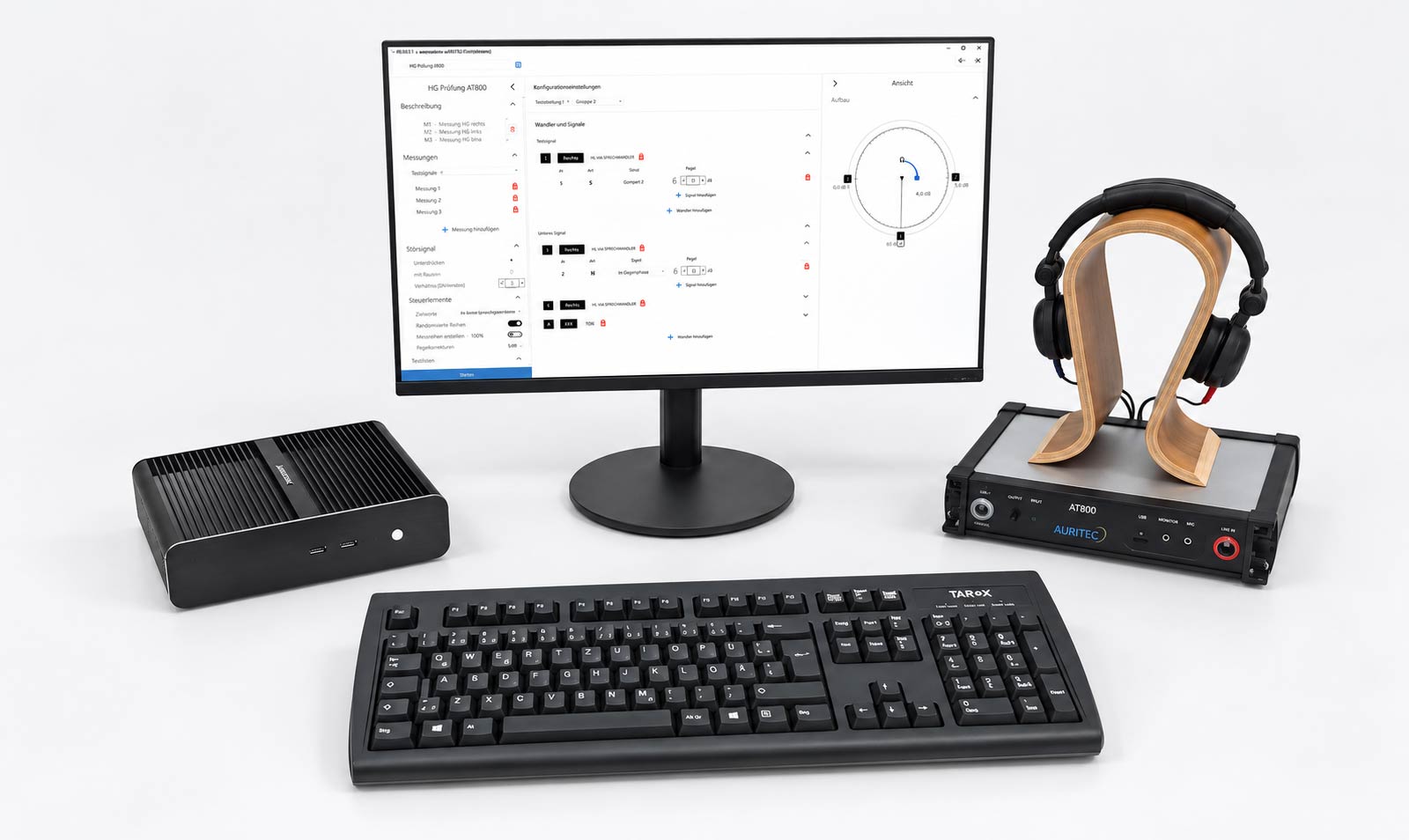
Compact audiometer
A modular system for everyday clinical practice
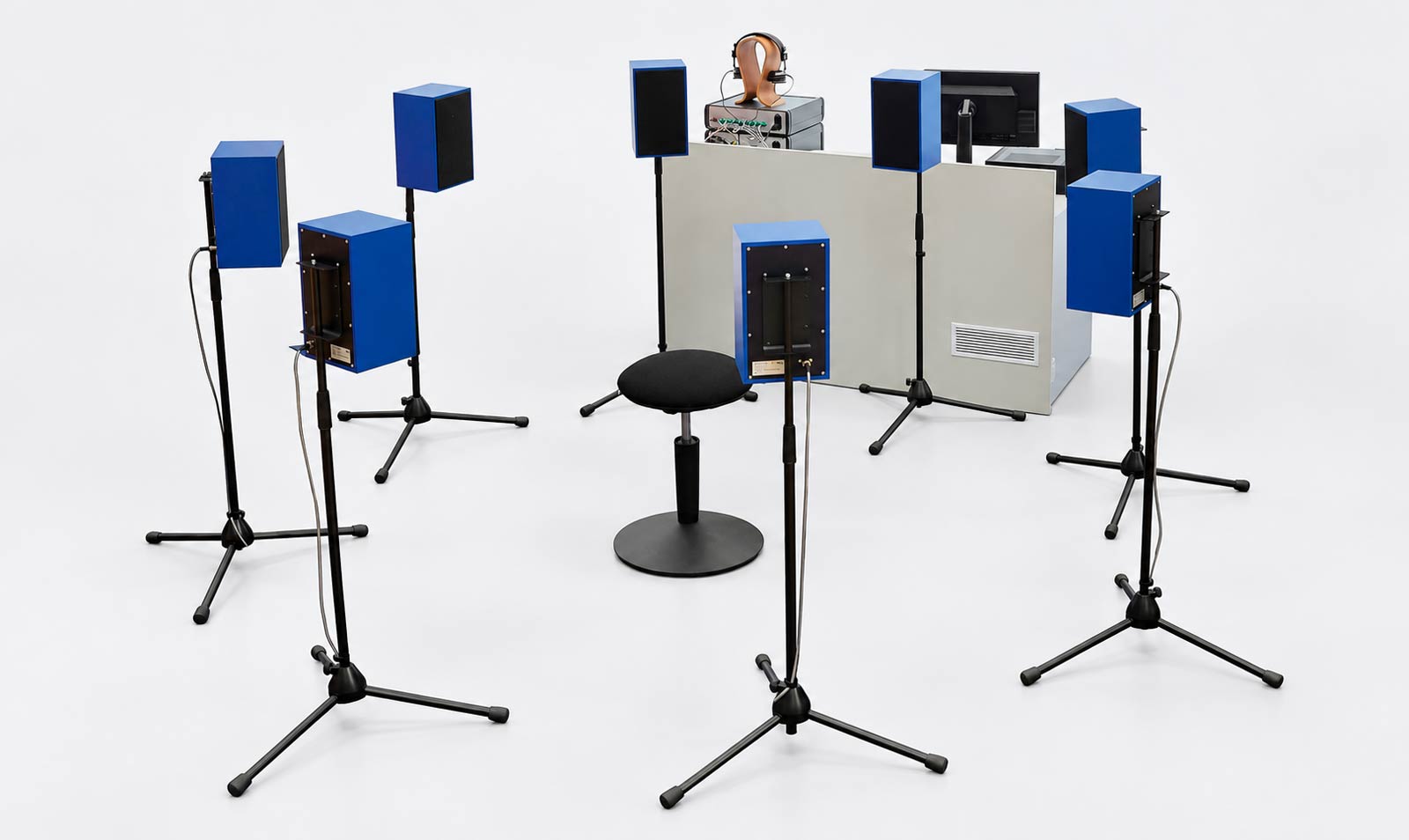
Research audiometer
Audiometry for research and development
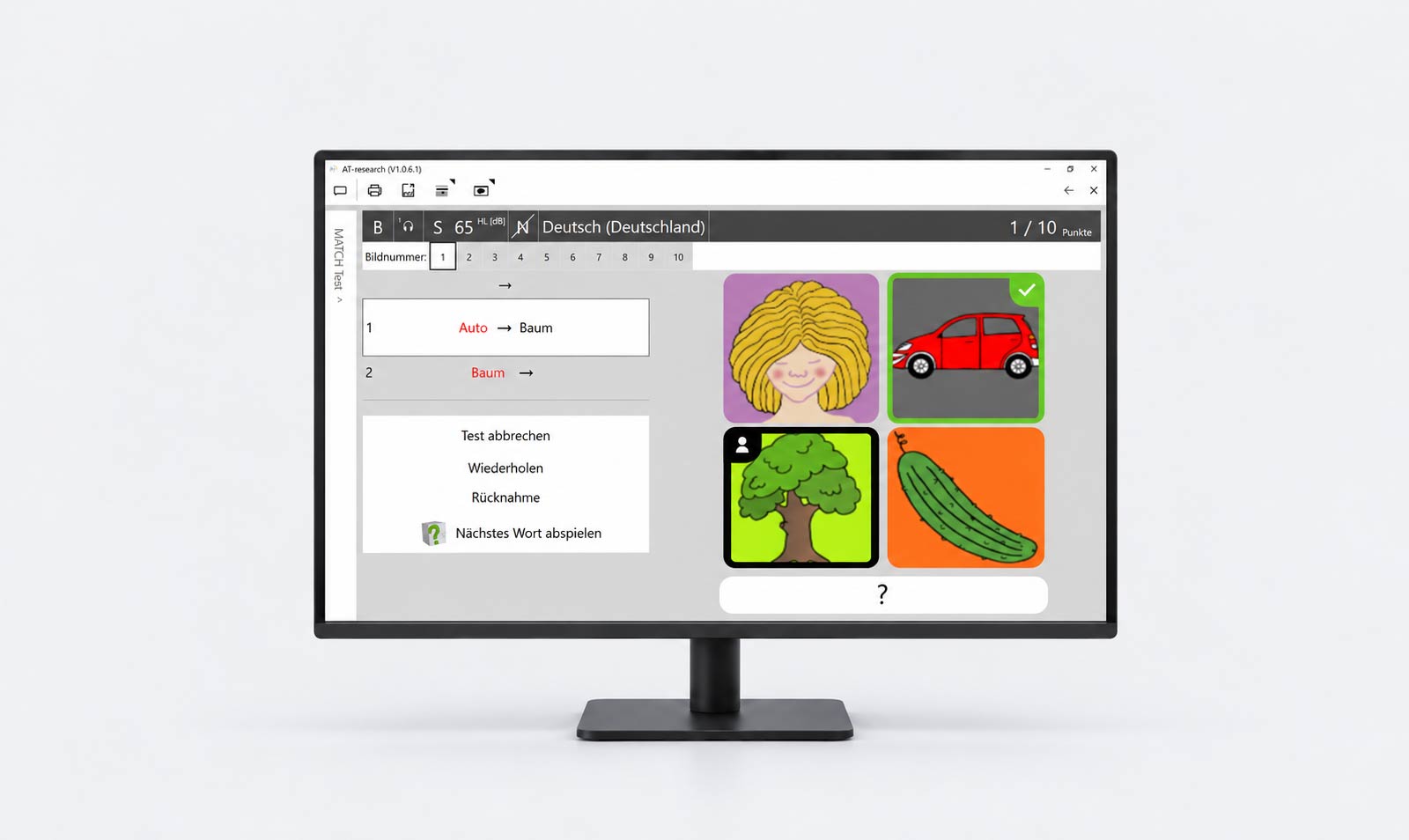
New Mainz Children’s Test
Automatic language test for children
The Oldenburg language method
Speech audiometry in the presence of background noise

Speech audiometry for children
Oldenburg Children’s Sentence Test
Simplified Matrix Test
International Matrix Test for Children
Automatic and adaptive
Screening for children in several languages
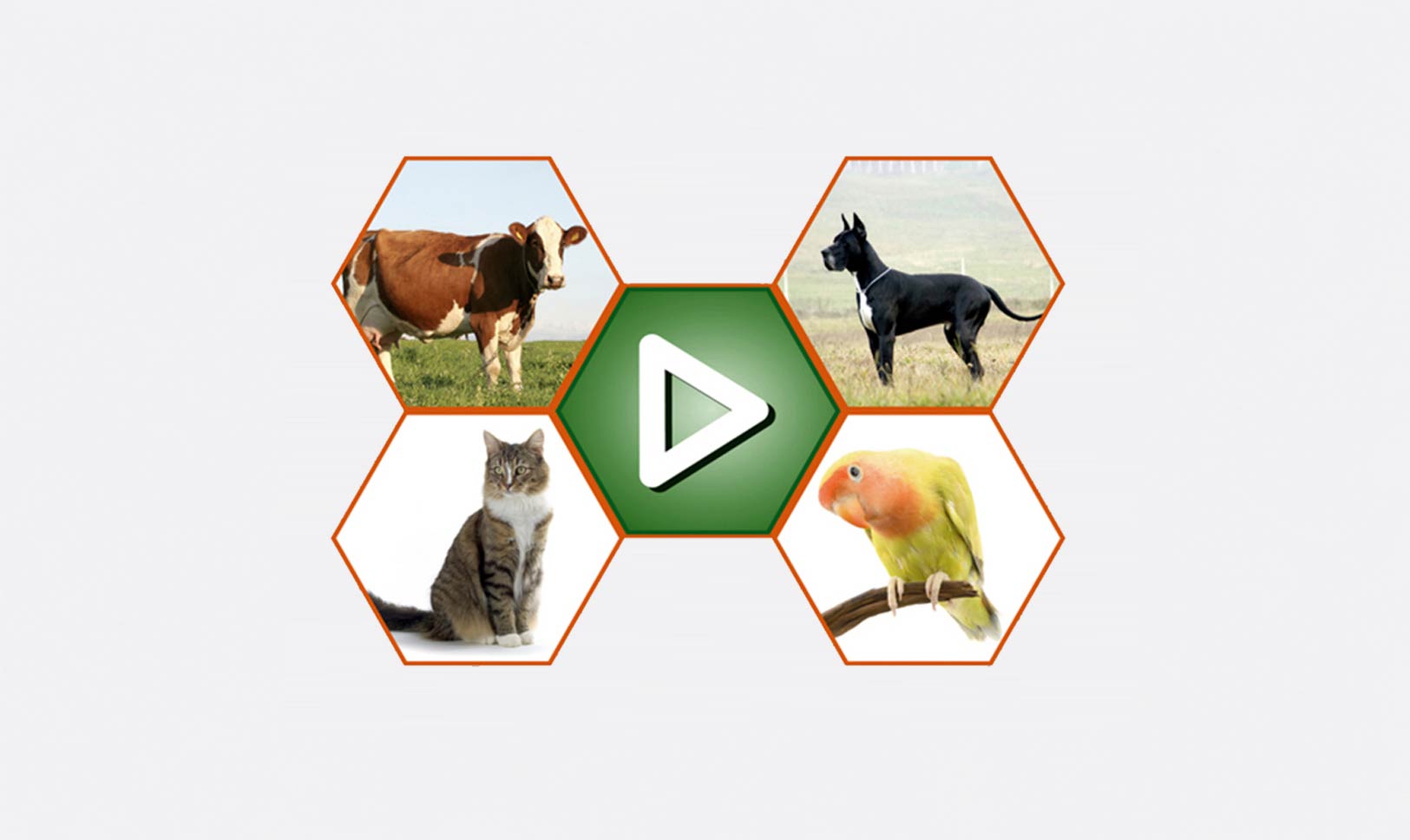
Animal Sound Test
Automatic and adaptive
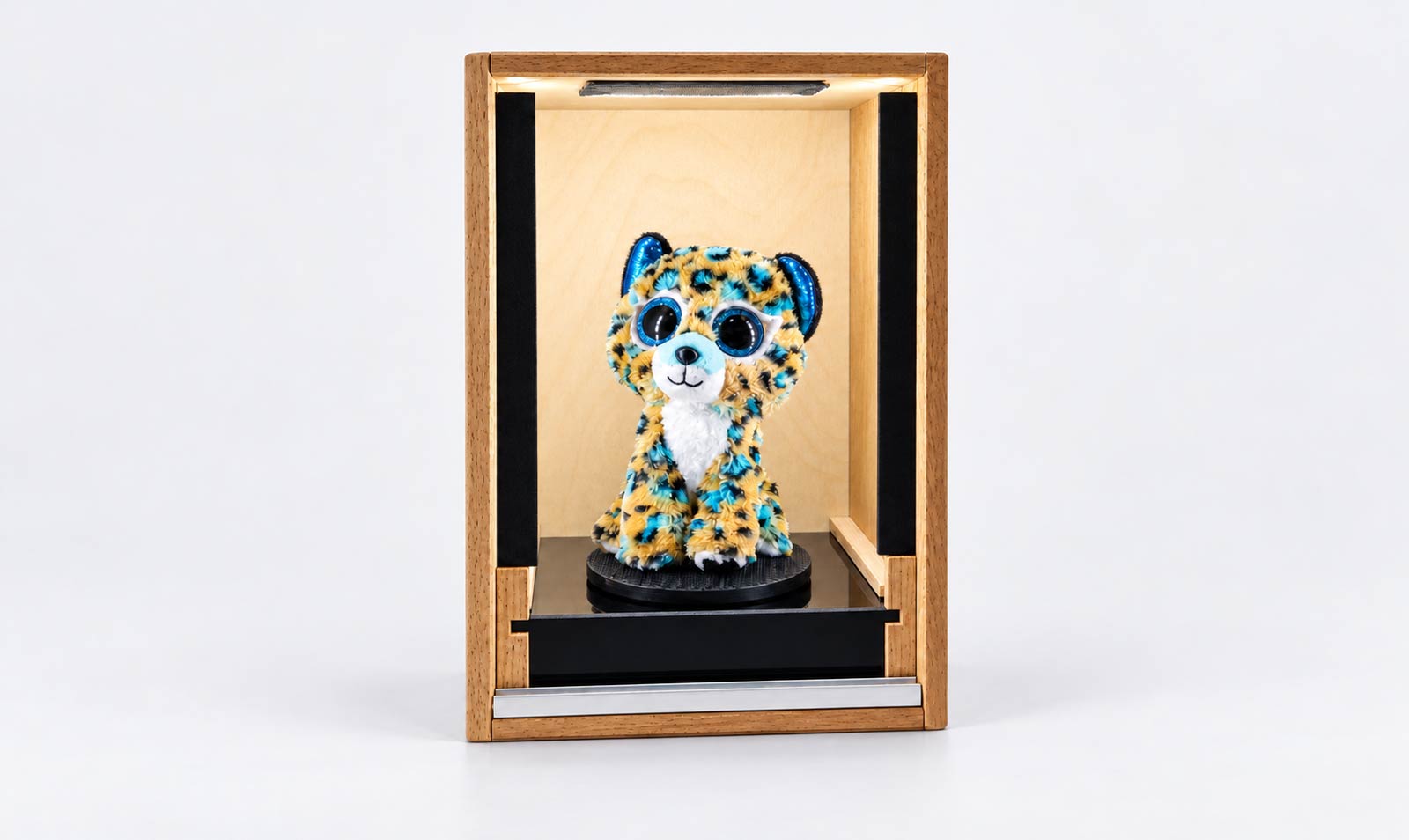
Audiometry for young children
Fitness training for the youngest children
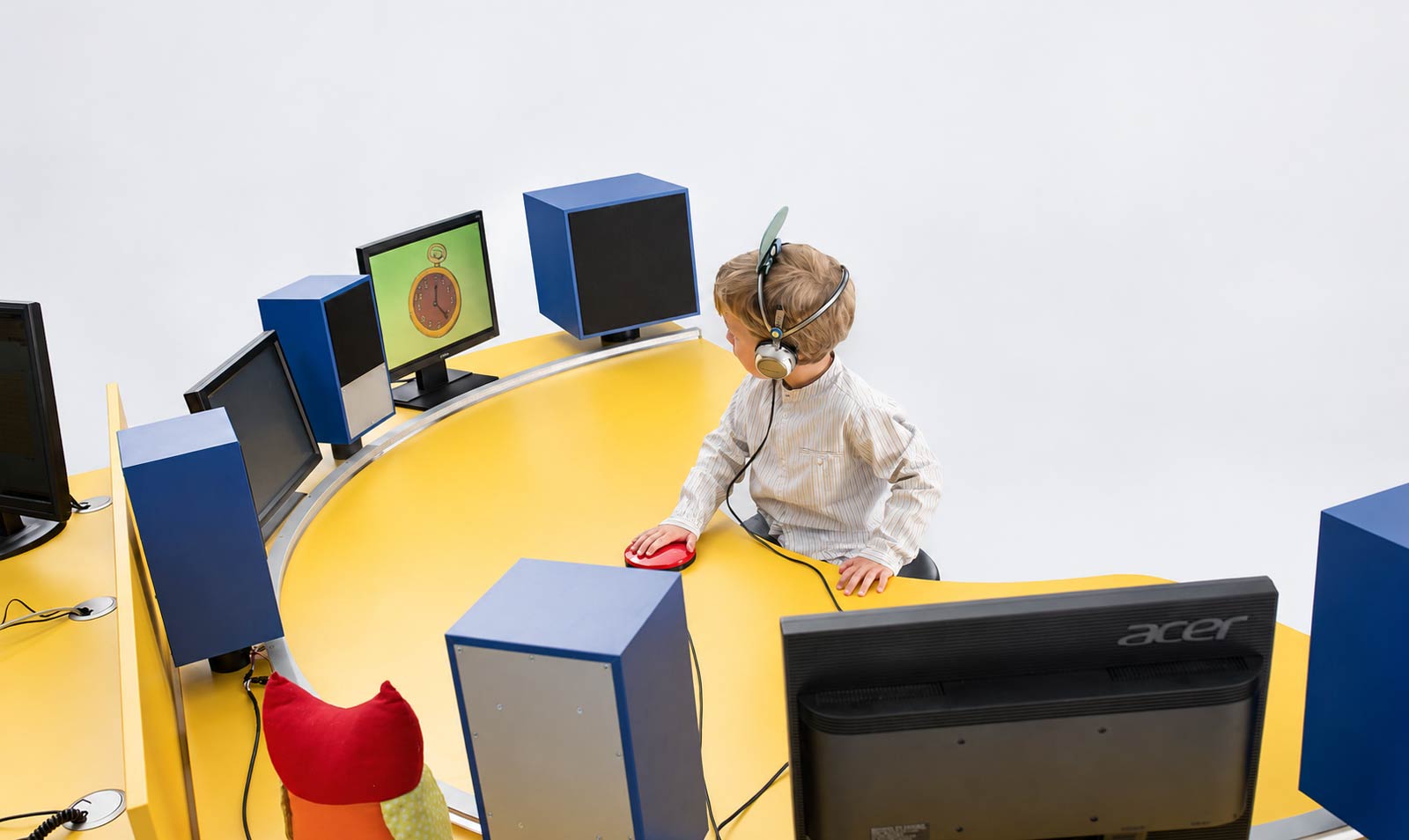
Picture presentation for children
Software featuring images and videos
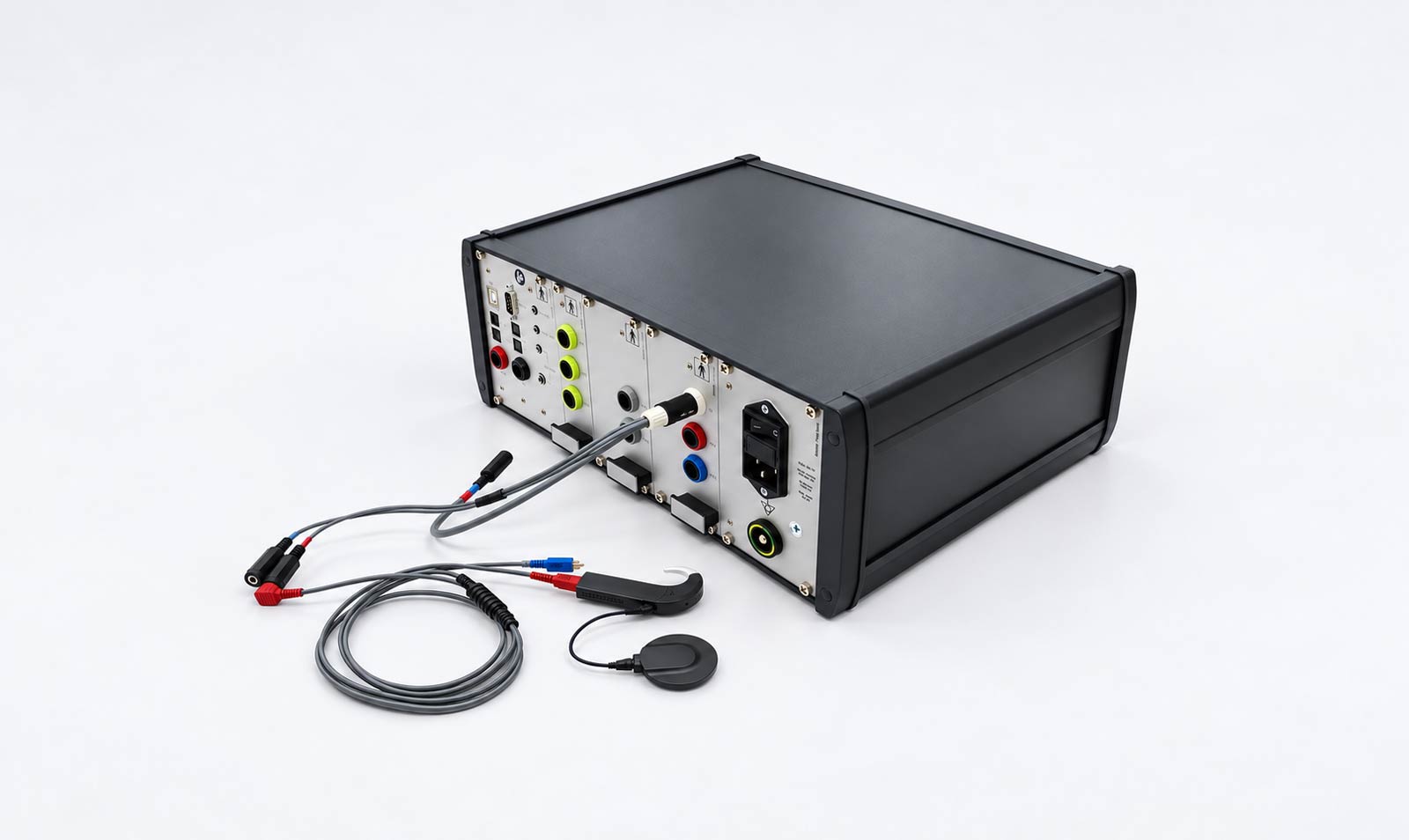
Direct connection to processors
Non-invasive testing of cochlear implant patients
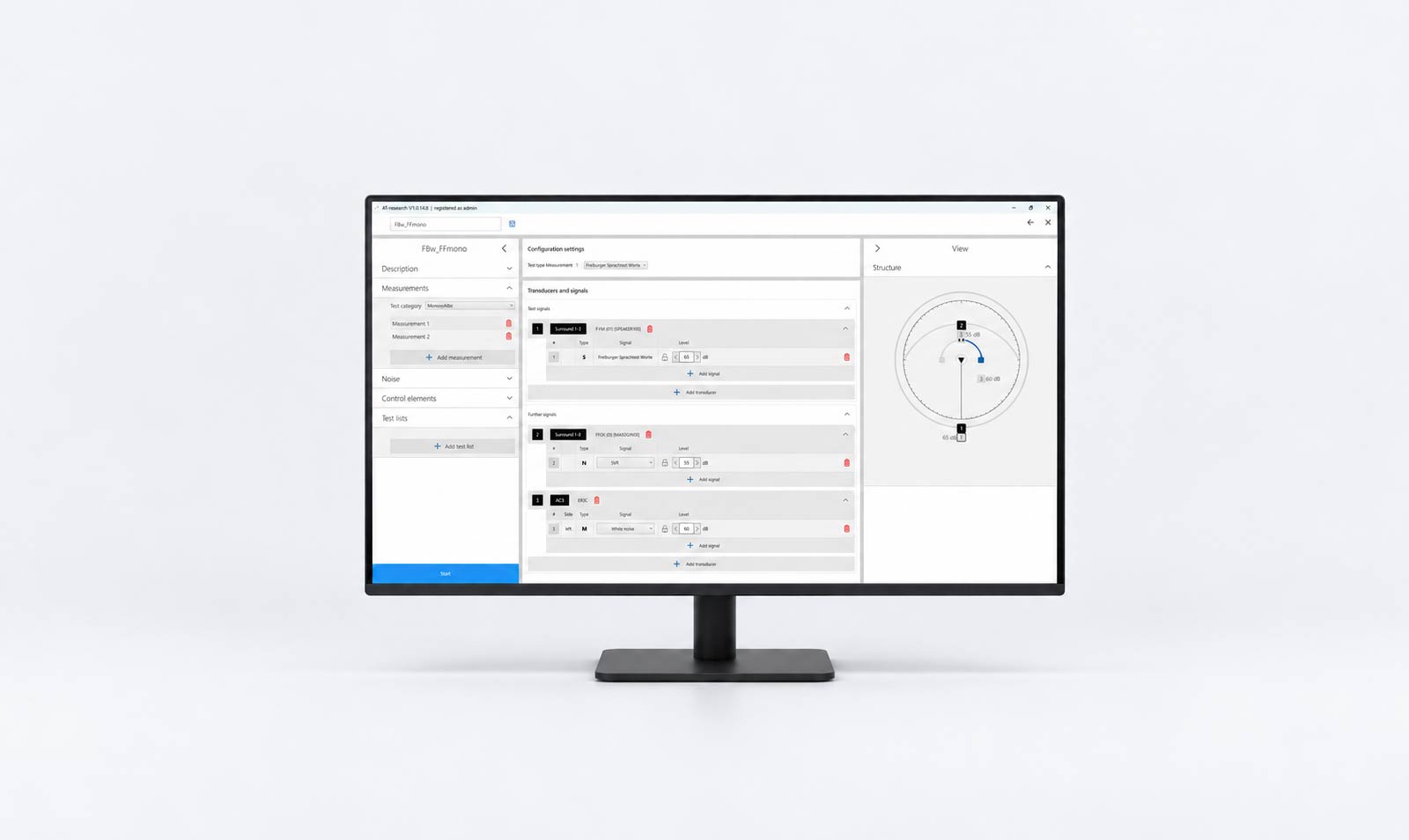
Everyday audiometry
More than two channels
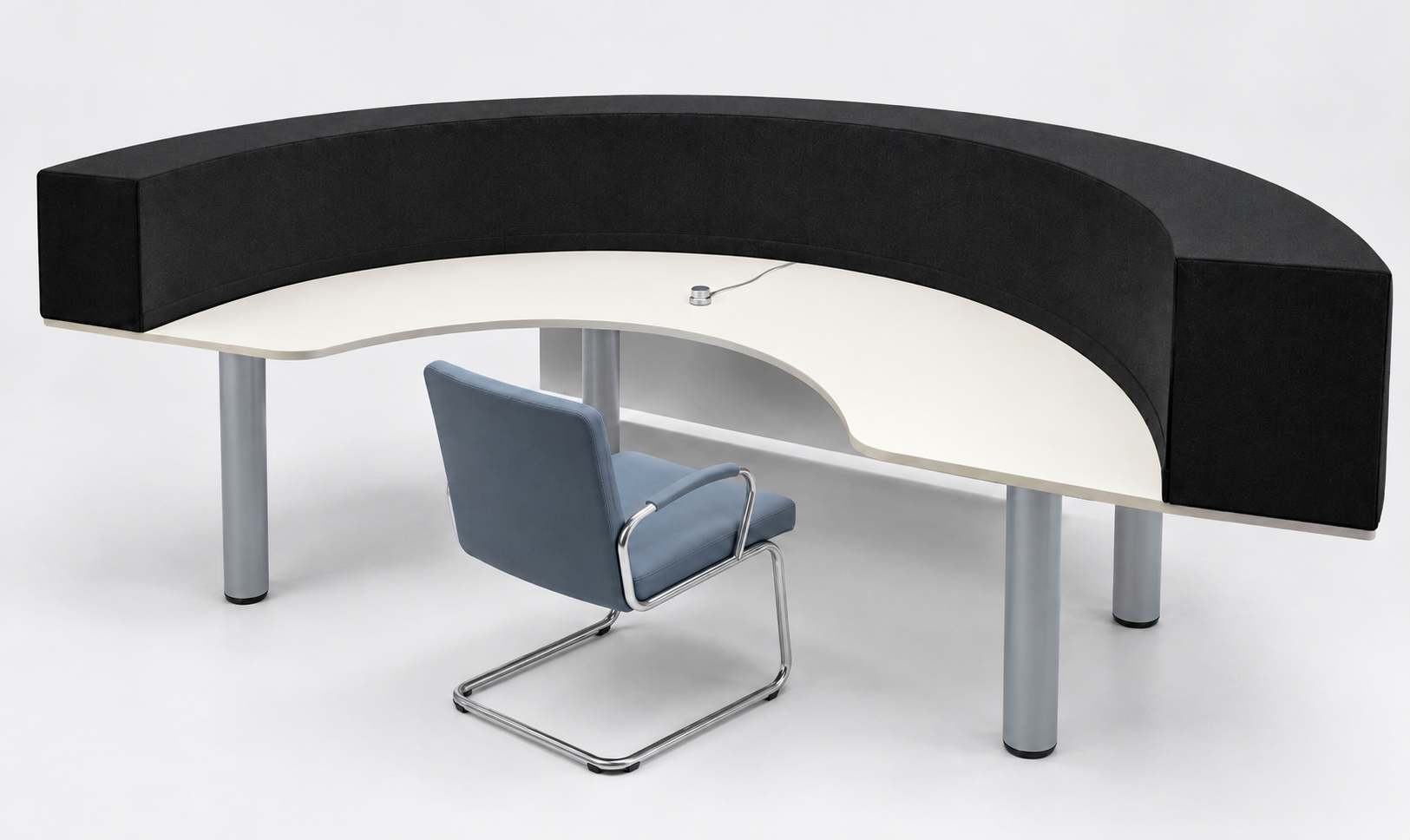
Directional listening system
Automatically. For all patients
Are you setting up a paediatric audiology practice or looking to expand the range of tests you offer? We can advise you on audiometers, testing procedures and child-friendly equipment – tailored to your patient groups, assessment processes and premises.
The key factors are the aim of the assessment, the child’s stage of development, their language skills and their understanding of the task. Age is a useful guide, but is not sufficient on its own. The child must be able to understand the task and cooperate reliably.
MATCH enables an image-based language assessment from around the age of two, provided the child knows the words used and understands the task. mFAST uses animal sounds and is intended for children aged three and over with limited language skills. It is designed for hearing screening and does not measure language comprehension.
Both provide visual stimuli for conditioning. The LookyBox uses illuminated, moving soft toys, whilst the VRA Viewer uses images and videos displayed on screens. A response to an auditory stimulus can thus be rewarded to encourage cooperation during the examination.
Yes, using appropriate procedures and the necessary equipment. In addition to free-field and speech tests, the implant connection enables signals to be output directly to compatible CI processors. The choice depends on the stage of development and the aim of the examination; the connection and calibration are tailored to the specific system.